
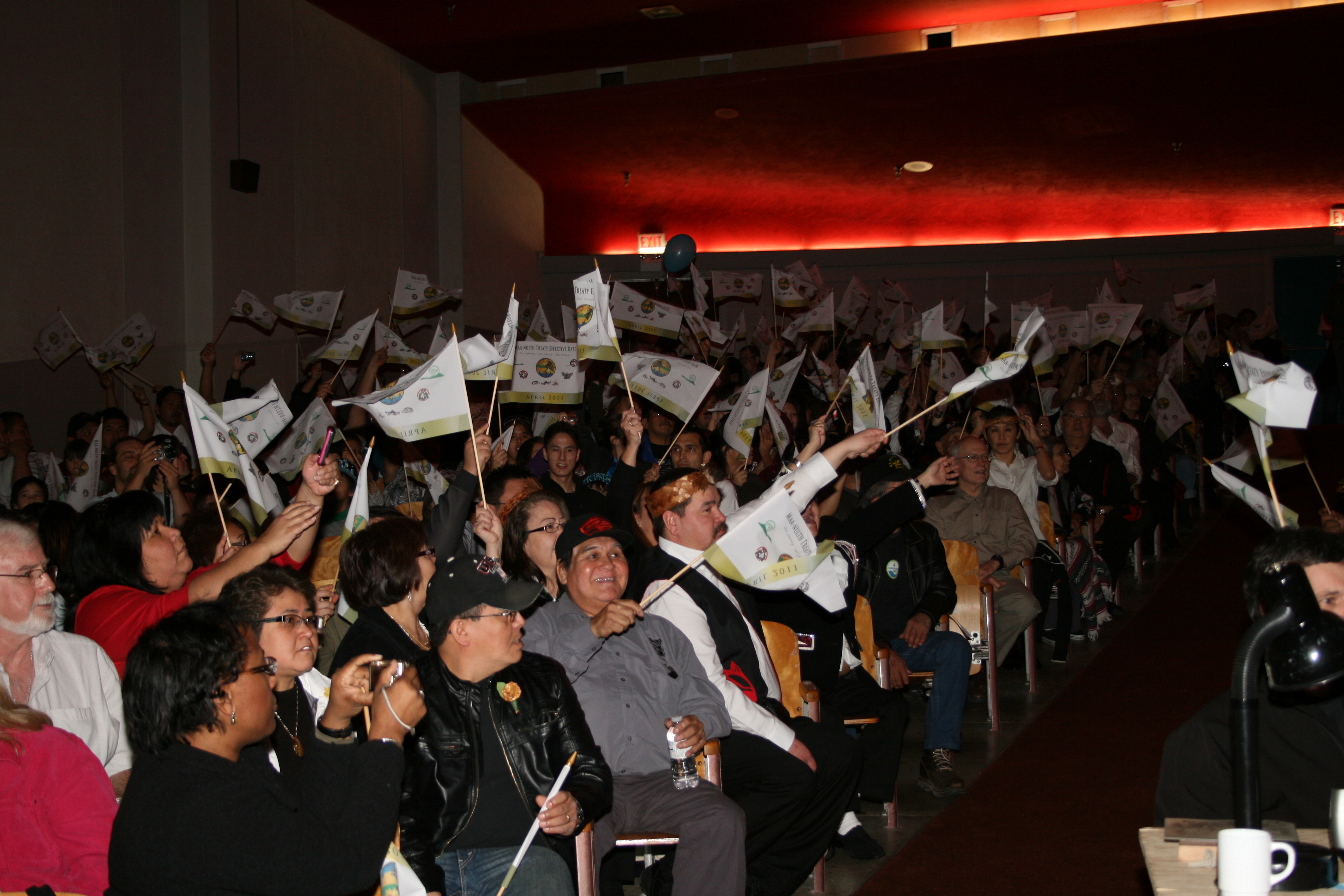
The Ka:'yu:'k't'h'/Che:k'tles7et'h' First Nations are urging MPs in Ottawa to put their political differences aside to pass legislation that would create an independent commissioner to ensure modern treaties are fully implemented.
This fall Bill C-10 was introduced in the House of Commons, proposed legislation that would appoint a commissioner for modern treaty implementation “to conduct reviews and performance audits of the activities of government” related to ensuring that these agreements between First Nations and government are fully enacted. The Commissioner for Modern Treaty Implementation would act as an independently functioning body that would report to Parliament on Canada’s effectiveness in implementing modern treaties.
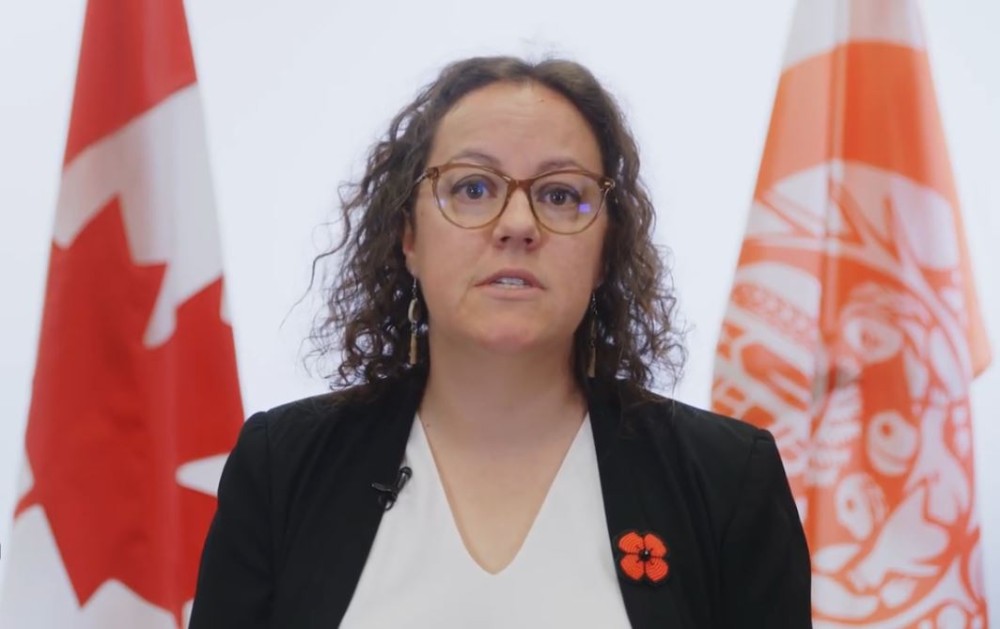
The bill was put forth by Rebecca Alty, federal minister of Crown-Indigenous Relations.
“As an agent of Parliament, the commissioner would provide us with a unique opportunity to establish a new parliamentary institution focused solely on modern treaties,” said Alty in the House of Commons on Oct. 7. “They would help make Canada a better partner by shining a light on areas where we can do more to address persistent and structural issues related to modern treaty implementation.”
A similar bill was proposed a year earlier in Parliament, but it didn’t pass second reading. With a minority Liberal government in Ottawa, Ka:'yu:'k't'h'/Che:k'tles7et'h' hopes this legislation gains consent from enough political parties to pass.
“Modern treaties require – and deserve – continuous, comprehensive and specialized attention to ensure that none of our agreements fall through the cracks,” stated the First Nation in a press release. “The commissioner will provide the necessary focus and expertise, ensuring that government remains accountable to the promises made in these constitutional agreements and Parliament is ultimately responsible for this.”
Ka:'yu:'k't'h'/Che:k'tles7et'h' is part of the Maa-nulth Final Agreement, a treaty implemented April 1, 2011 that also includes the Toquaht, Yuułuʔiłʔatḥ, Uchucklesaht and the Huu-ay-aht First Nations. While the bill was being debated on Oct. 7 Courtenay-Alberni MP Gord Johns stressed the need for the legislation to be passed immediately.
“I have heard from members of the Maa-nulth nations, who have signed a treaty, including Chief Anne Mack from Toquaht and Chief Wilfred Cootes from Uchucklesaht,” said Johns. “They said this an essential oversight mechanism to help ensure the effective and timely implementation of modern-day treaties in terms of nation-to-nation, government-to-government and Indigenous-to-Crown relations.”
But at a time when the federal government is looking to save money and cut back on the number of civil servants on its payroll, some argue that setting another oversight office will add an additional public expense for something that the government should be doing anyway.
“Instead of holding those responsible accountable, the government proposes spending millions on a new office to supervise what should already be happening,” argued Conservative MP Jamie Schmale, who represents Ontario’s Haliburton-Kawartha Lakes riding. “How many offices do we need to tell the government that it is failing? Adding one commissioner does not change culture or performance.”
Judith Sayers is president of the Nuu-chah-nulth Tribal Council, and for over a decade represented her Hupacasath First Nation in their treaty negotiations. She believes that a commissioner is needed.
“It should be unnecessary, but unfortunately it’s the reality. Nothing is going to be implemented honourably unless you have somebody to oversee the process,” said Sayers. “How effective is it? It depends on how much teeth you’re going to give the commissioner.”
Treaties are formal agreements between First Nations, Canada and provincial governments. These complex arrangements entail land ownership and resource responsibilities as affirmed under Canadian law, and often bring a period of financial settlements to First Nations.
“Treaties provide a framework for living together and sharing the land Indigenous peoples traditionally occupied,” states Crown-Indigenous Relations and Northern Affairs Canada. “These agreements provide foundations for ongoing co-operation and partnership as we move forward together to advance reconciliation.”
Many treaties pre-date Confederation, but the first in the modern era was the James Bay and Northern Quebec agreement signed in 1975. In British Columbia the Nisga’a Nation was the first to implement a modern formal agreement with governments in 2000. Seven other First Nations would follow, including the Maa-nulth nations, as well as the Tsawwassen and Tla’amin, which implemented their treaties in 2009 and 2016 respectively.
But with over 200 First Nations in B.C., the vast majority do not have a modern treaty, leaving them subject to Canada’s Indian Act. Many are caught up in some stage of treaty negotiations, an expensive and protracted undertaking that for many stretches back to the early 1990s.
Among Nuu-chah-nulth nations, the Ditidaht and Pacheedaht are closest to implementation, having signed an Agreement in Principle with the provincial and federal government on June 28, 2019. This put them in the final stages of negotiations, although progress has taken longer than anticipated when the Agreement in Principle was celebrated at Victoria’s Empress Hotel over six years ago.
“[T]he fact that the minster has to table a piece of legislation dealing with the modern treaty shows the failure of the government,” argued Schmale in the House during the Oct. 7 debate. “In six years, Stephen Harper signed five modern treaties. The government has signed zero in 10 years. It has signed two self-government agreements, but it has signed zero modern treaties.”
There has also been progress in B.C. over the last year, with successful ratification votes from members of the Kitsumkalam on Nov. 1, the Kitselas in April and the K’omoks First Nation in March. These votes from members of the affected First Nations now make implementation contingent on ratification from the provincial and federal governments.
The K’omoks treaty garnered 81 per cent support from the First Nation’s members, but opposition came from the Wei Wai Kum. Before the ratification vote the neighbouring First Nation filed for an injunction with the B.C. Supreme Court, citing territorial infringement in the proposed treaty. The court denied the injunction.
Territorial boundaries often arise during treaty negotiations, said Sayers.
“It’s a common issue that comes up with the First Nations Summit table all of the time. What are we going to do with overlaps?” she noted.
Even so, she believes that treaties should be treated like business deals that require more urgency than the decades of negotiations that the modern agreements entail. Sayers recalls an old photograph in the Hupacasath House of Gathering showing her grandfather and some Nuu-chah-nulth chiefs standing by the church that formerly stood at the corner of Josephine and River Road.
“They were all trying to negotiate treaties in 1922,” said Sayers of the photograph, who sees a continued reluctance from governments to formally recognize First Nations. “They just don’t want to give up some of the powers. They don’t want to recognize the powers and authority of First Nations, and they don’t want to give them money.”
“Ka:'yu:'k't'h'/Che:k'tles7et'h' urges all Parliamentarians to put their political differences aside and support the swift passing of Bill C-10,” stated the First Nation. “Implementation of modern treaties must be a non-partisan issue. Modern treaties have been signed – and implementation challenges have persisted – under governments formed by different political parties.”
![“[Maa-nulth nations] said this an essential oversight mechanism to help ensure the effective and timely implementation of modern-day treaties in terms of nation-to-nation, government-to-government and Indigenous-to-Crown relations,” says Courtenay-Alberni MP Gord Johns. (House of Commons video still)](https://www.hashilthsa.com/sites/default/files/news-gal/gord-johns-video-still.JPG)