On Feb. 26, Indigenous Services Canada announced $1.55 billion in federal funding to ensure First Nations children have equal access to essential government services.
The funding, which supports and renews the Jordan’s Principle, is earmarked to last until March 31, 2027.
The federal government stated in a media release that: “the renewal provides immediate stability for families and enables communities to deliver services with confidence as efforts to reform Jordan’s Principle in partnership with First Nations leadership and families continue.”
The Jordan's Principle is a standard largely defined by the Canadian Human Rights Tribunal (CHRT). The principle is in place to ensure that First Nations children do not face gaps or delays in accessing government services. Jordan’s Principle also means that they are not denied government services because of their identity as First Nations children.
Jordan's Principle is named in memory of Jordan River Anderson, a young boy from Norway House Cree Nation in Manitoba. In 2005, Anderson died in the hospital while the provincial and federal governments could not agree on who was financially responsible for his home care in a medical foster home. He was five years old.
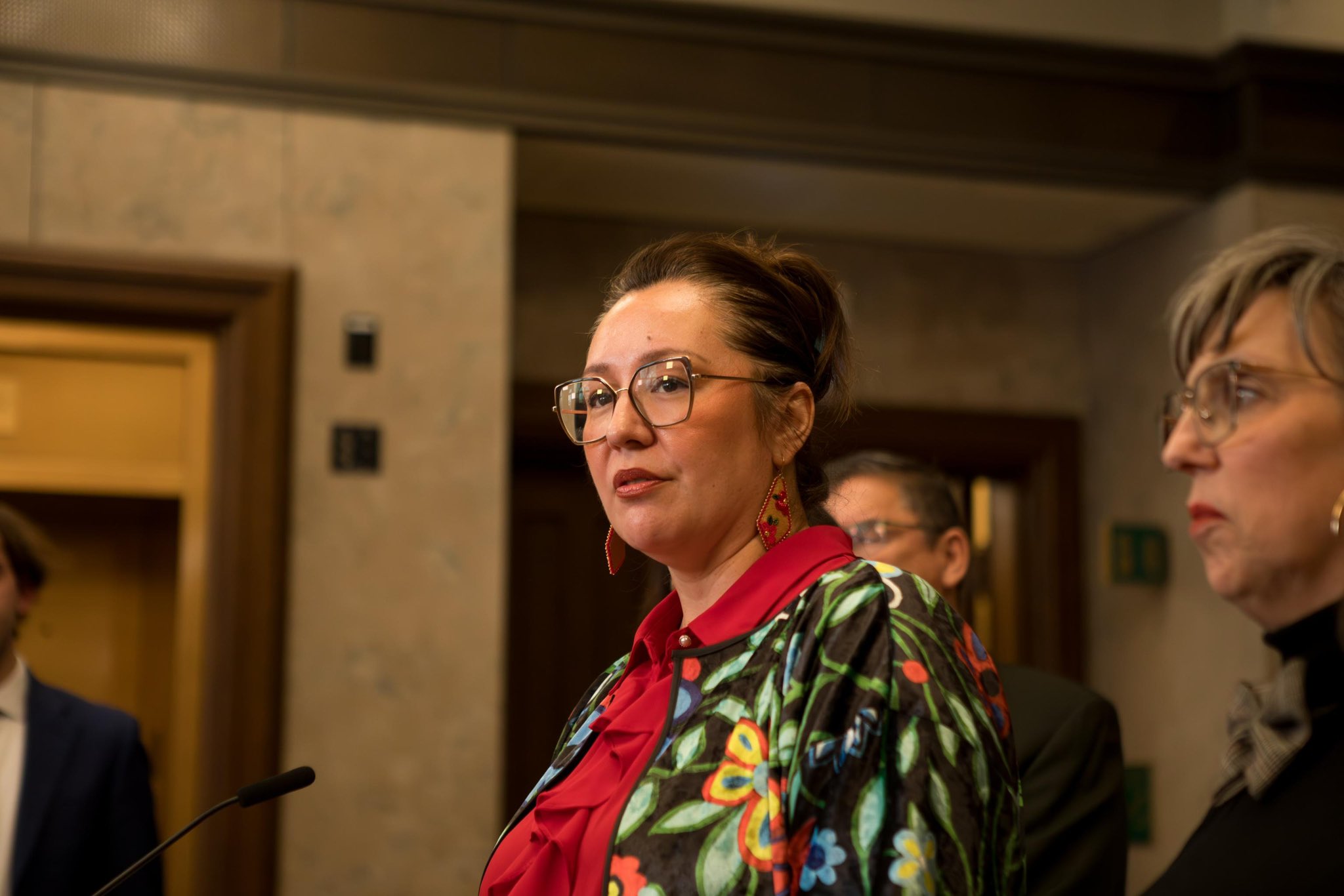
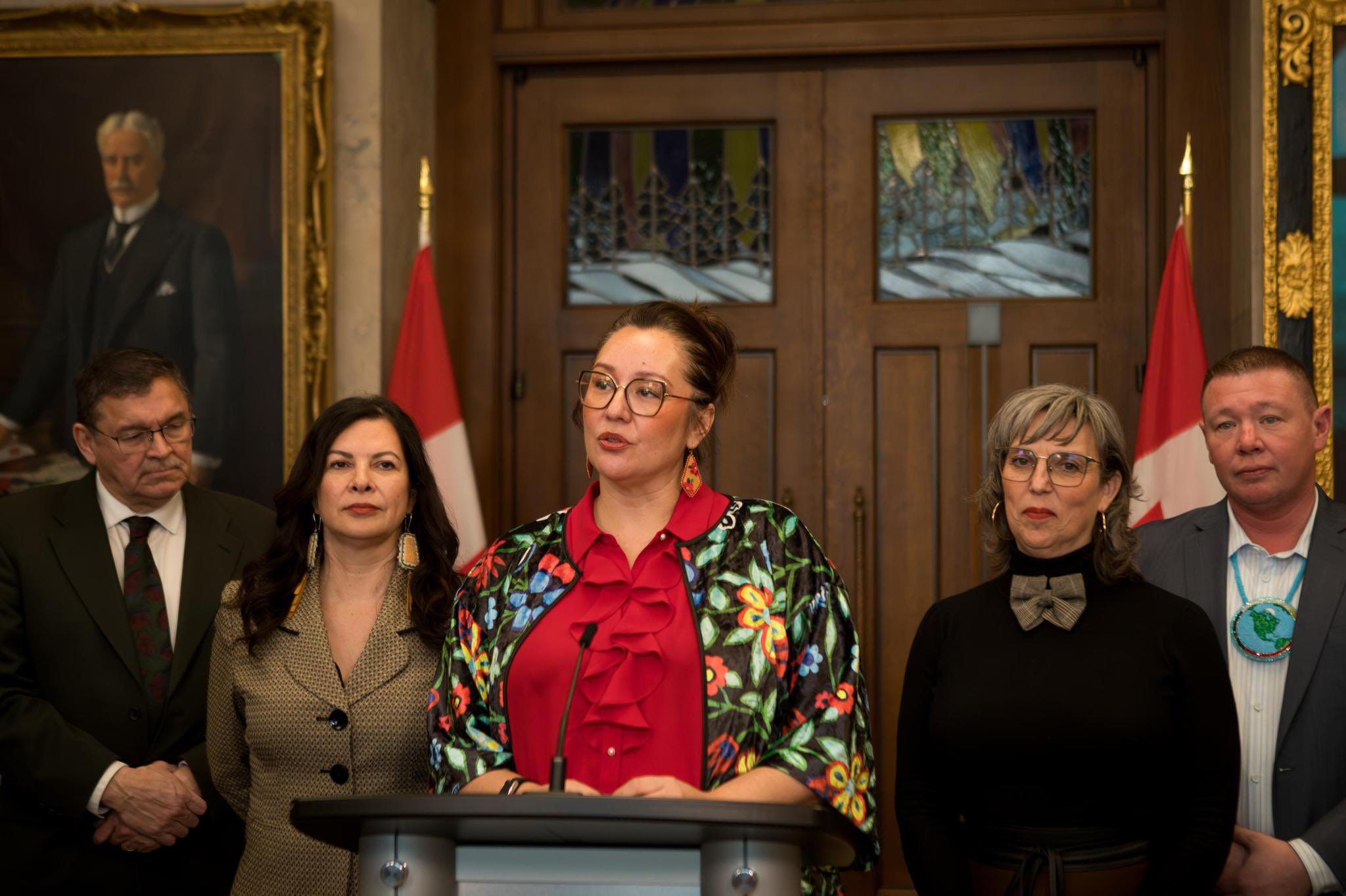
“Children are at the heart of who we are as First Nations. Jordan’s Principle must work for those who depend on it,” said Indigenous Services Minister Mandy Gull-Masty, in a media release.
“By committing $1.55 billion over the next year, we are reducing uncertainty and strengthening stability for communities. We will continue working with First Nations leadership and families to ensure Jordan’s Principle remains predictable, practical, and grounded in fairness and respect,” said Gull-Masty.
Jordan’s Principle allows families to submit requests for needs like medical and mental health services, educational supports and physiotherapy.
Between July 2016 and September 30, 2025, more than 10 million products, services, and supports were approved under Jordan's Principle, according to government data.
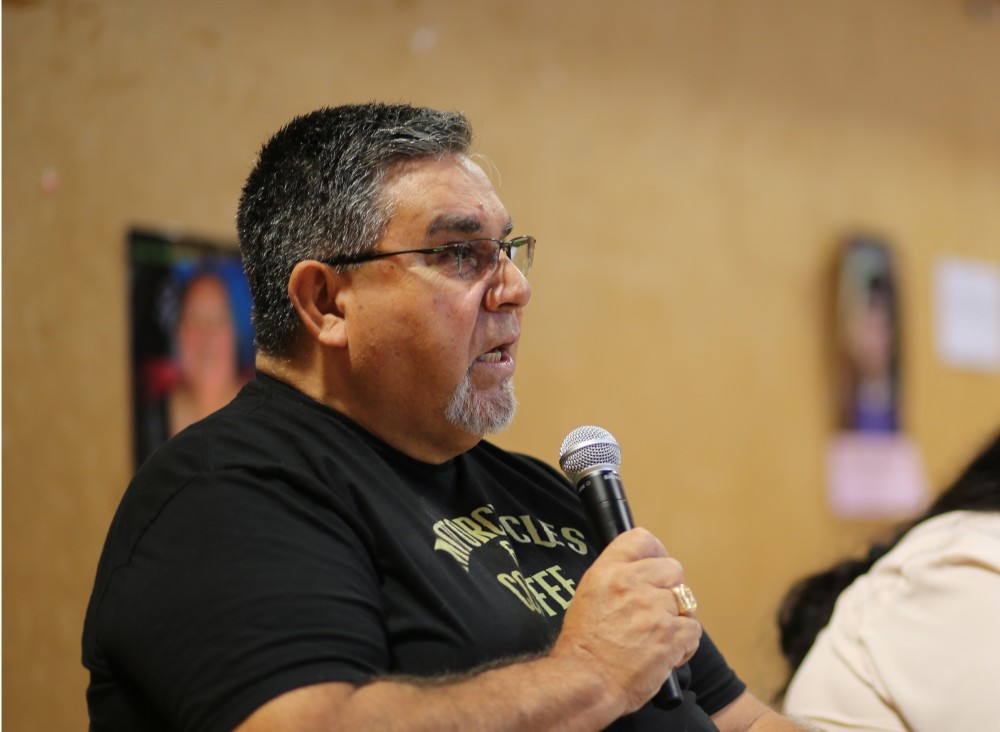
Les Doiron is the vice president of the Nuu-chah-nulth Tribal Council. At 70-years-young, the Port Alberni resident says Canadians are still lacking fundamental education about the historical discrimination First Nations faced.
“You could say Jordan’s Principle to a white guy, and they would probably think you’re talking about Michael Jordan,” said Doiron.
“That’s what it comes down. Why is that? It’s because of ignorance and the lack of education that’s been pushed out by our federal government. Until we own (our history) as Canadians, I don’t think that will ever change,” he continued.
While Doiron expressed joy for the renewal of the Jordan Principle, he pointed out that the March 31, 2027 deadline is not long off. He called the renewal a “short-term fix”.
“In these times, the feds are cutting back on pretty much everything, everywhere. At least it’s there. I’m excited about it. I’m really happy to see that money is there, but 2027 is not very far away,” he said.
Nearly 135,000 cases backlogged
According to a report published by Indigenous Services Canada (ISC), it is estimated that Jordan’s Principle has nearly 135,000 backlogged requests as of Feb. 20, 2025. The national appeal backlog sits at 727 cases and a total of 8,000 cases were flagged as “urgent” requests on backlog.
“That’s the government,” said Doiron. “When you have the turnover in cabinet or governance… It should be fast-tracked. If they want to do something, they’ll do it in a hurry.”
Data on the volume of outstanding payments/reimbursements was not provided in the ISC report.
Cloy-e-iis (Judith Sayers), president of the Nuu-chah-nulth Tribal Council, says the minister has a lot of work to do to make effective use of this fund.
“Setting aside this $1.55 billion is a good step but the minister needs to get the distribution of the money out to children who need it in a more timely manner,” said Cloy-e-iis.
“The waiting lists to apply are long. For example, my daughter applied in October and still hasn't been notified that her application has been accepted and then it still has to go a verifier. This is typical of anyone applying to the fund to face bureaucratic delays and this does not have the best interests of children in mind. The minister needs to streamline policies so our children can get the help they need quickly. No sense of having all that money if they can't get it out the door,” she said.
There is still a $23 billion settlement for First Nations Children and Family Services regarding Jordan's Principle that needs to be distributed, notes Cloy-e-iis.
On Oct. 24, 2023, the Federal Court approved a Settlement Agreement intended to compensate those harmed by the discriminatory underfunding of the First Nations Child and Family Services Program and those impacted by the federal government's narrow interpretation of Jordan's Principle.
The original complaint was filed before the Canadian Human Rights Tribunal (CHRT) in 2007 by the Assembly of First Nations and the First Nations Child and Family Caring Society (the Caring Society).
Cloy-e-iis said revising the operational policy that limited the scope of services is a “necessity”.
“The $1.55 billion for a year is an interim step,” said Cloy-e-iis.
The Caring Society acknowledged the funding announcement in a media release.
“We look forward to better understanding what it is intended to cover. While funding is necessary, it does not, on its own, remedy Canada’s ongoing non-compliance with binding CHRT orders or end discrimination against First Nations children,” said the Caring Society.
The CHRT has ordered Canada to immediately resolve the backlog of Jordan’s Principle cases. The Caring Society called the backlogs a “violation of children’s human rights and a direct failure to comply with Tribunal orders.”
“Jordan’s Principle is not a program of goodwill—it is a court- and Tribunal-affirmed legal obligation rooted in the best interests of the child,” said the Caring Society.