A project is being launched in Clayoquot Sound that researchers believe attends to the “root causes of salmon decline”.
It’s part of a $6-million investment in watershed restoration has been launched across British Columbia to improve salmon recovery, support Indigenous-led environmental stewardship and ecosystem restoration.
The Watershed Security Fund (WSF), a collaboration with the First Nations Fisheries Council (FNFC), the Real Estate Foundation of BC (REFBC) and the First Nations Water Caucus, announced the beneficiaries that will receive funding from its grants program, with $6 million being shared among 26 community-based projects within the province.
The program includes $5 million generated from the province’s $100 million endowment, along with an additional $1 million contribution from the Hillary and Galen Weston Foundation.
“This work is about restoring balance and abundance in our haḥuułi,” said Saya Masso, the Tla-o-qui-aht First Nation’s Lands and Resources manager. “By leading watershed restoration in partnership, we are bringing together knowledge systems, creating opportunities for our people, and ensuring these ecosystems are healthy for generations to come.”
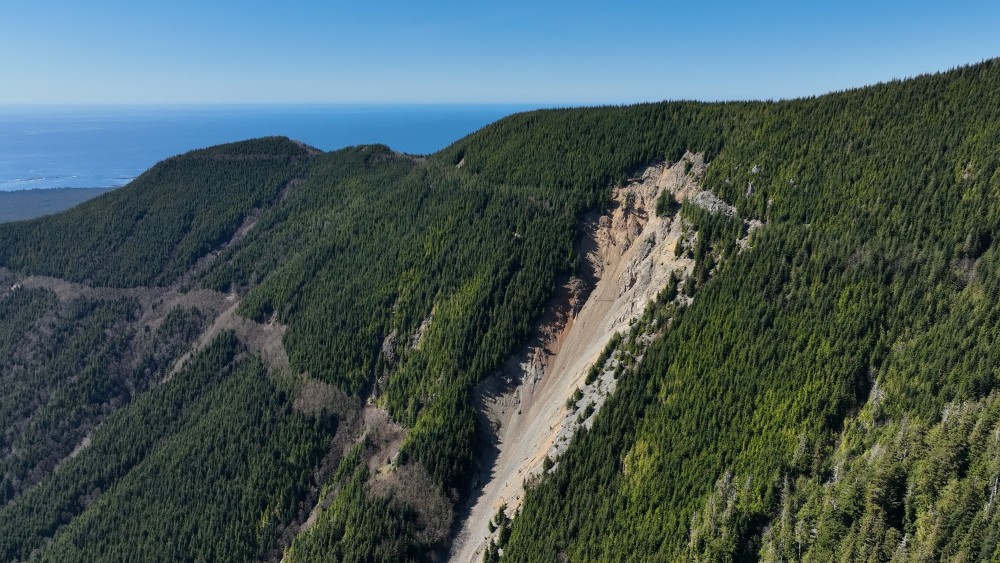
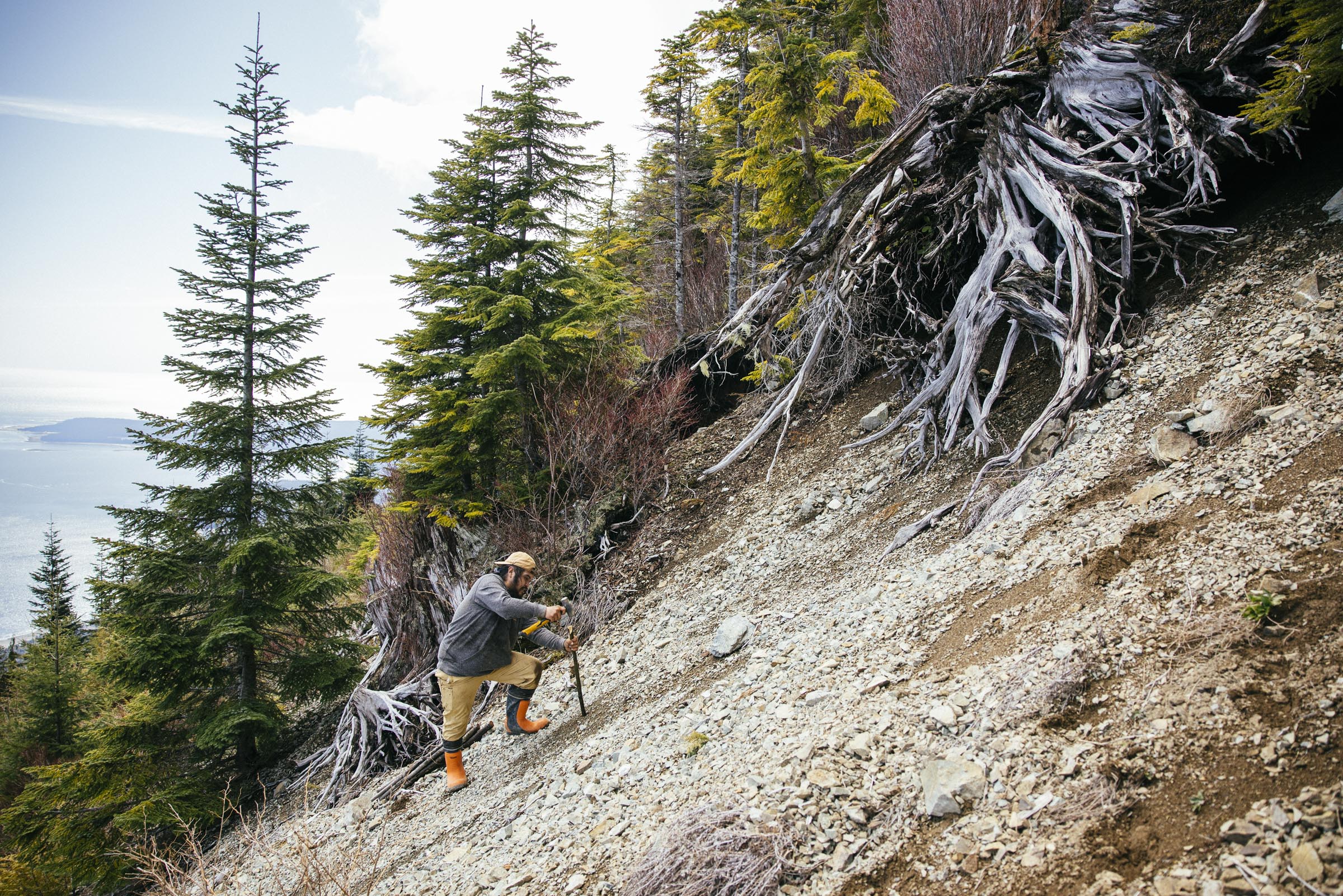
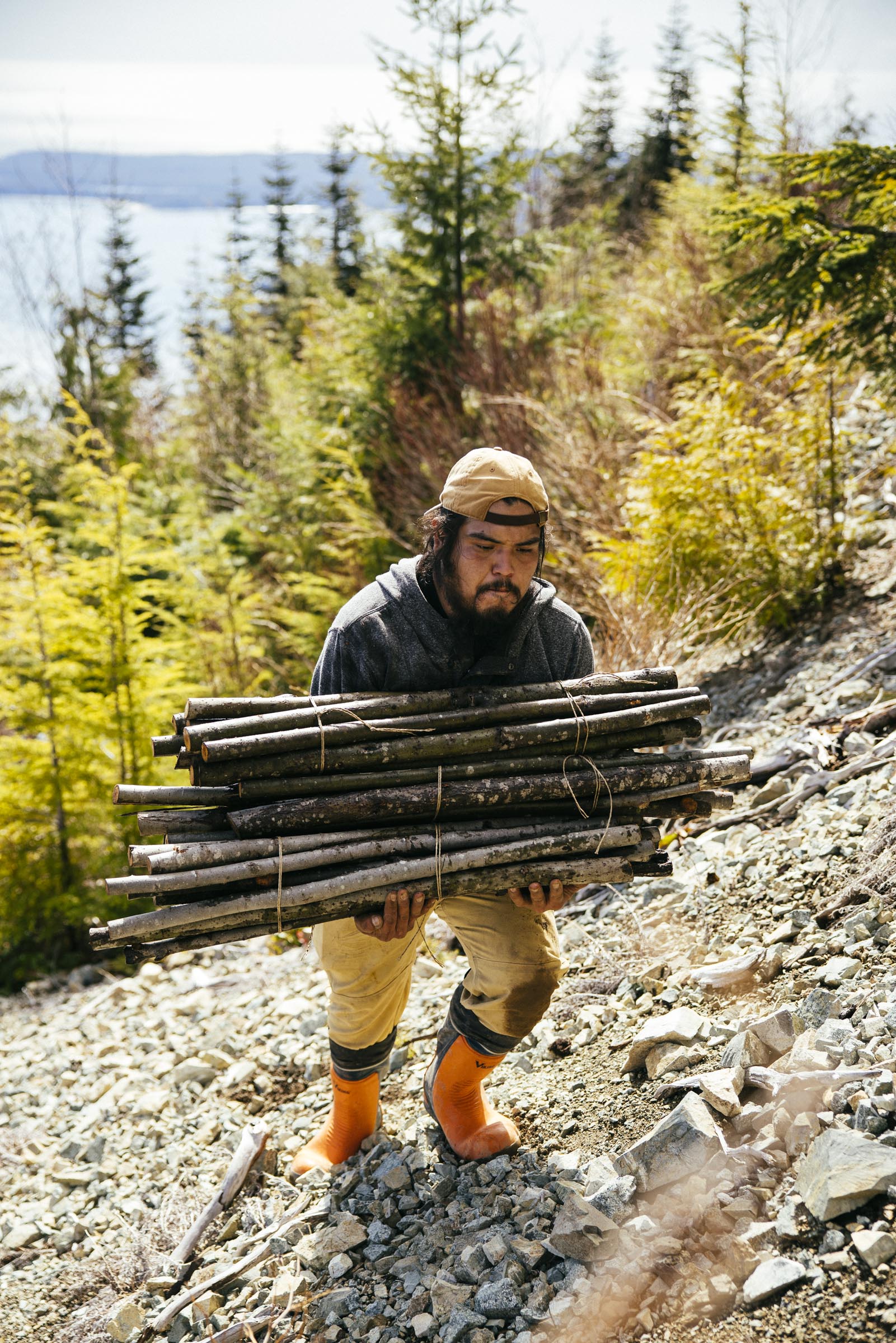
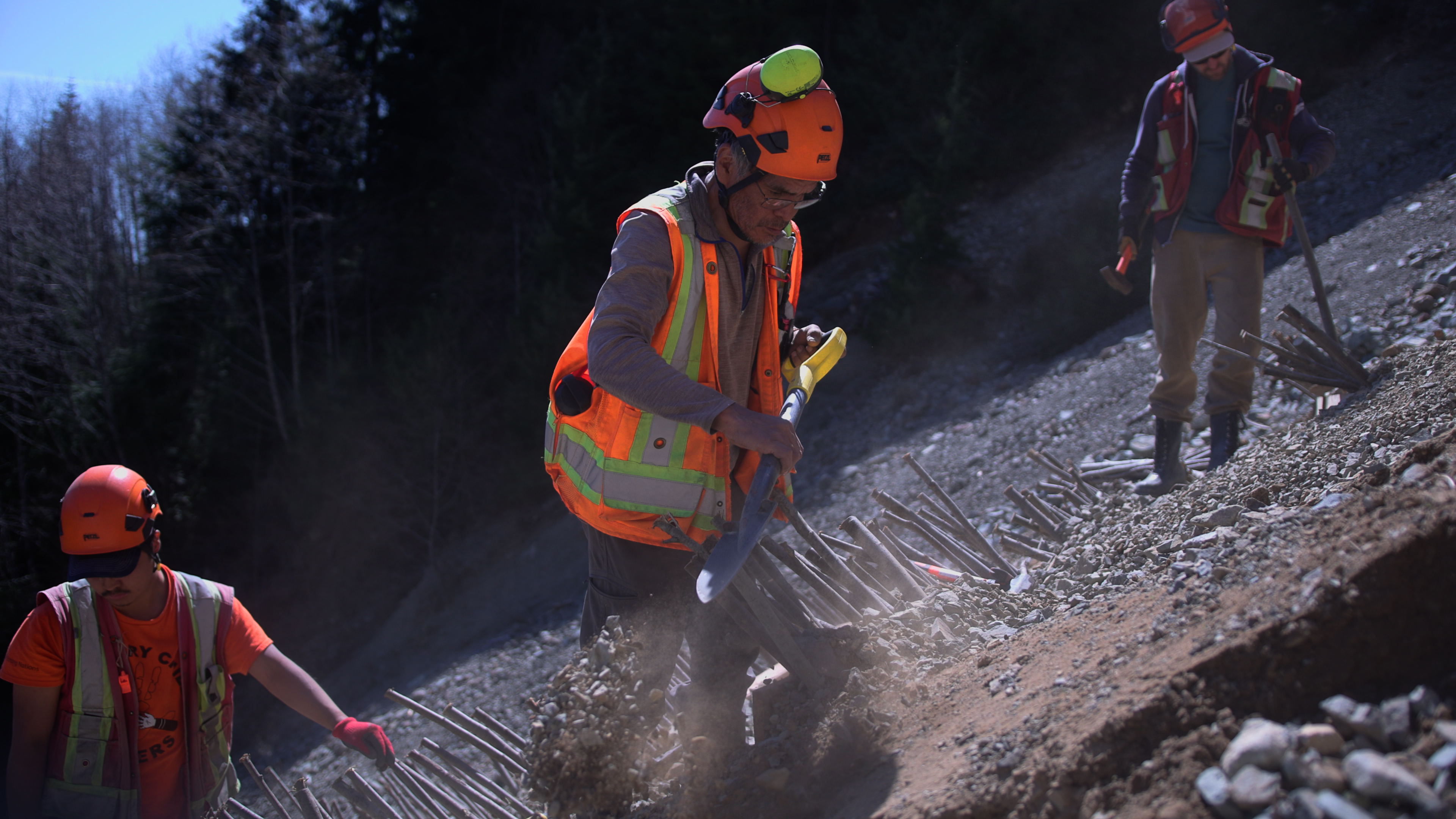
The Redd Fish Restoration Society, one recipient of the WSF grant, will receive $400,000 to continue evaluating and identifying better strategies to speed up the recovery of wildlife habitats, starting immediately with landslide stabilization in Hesquiaht territory.
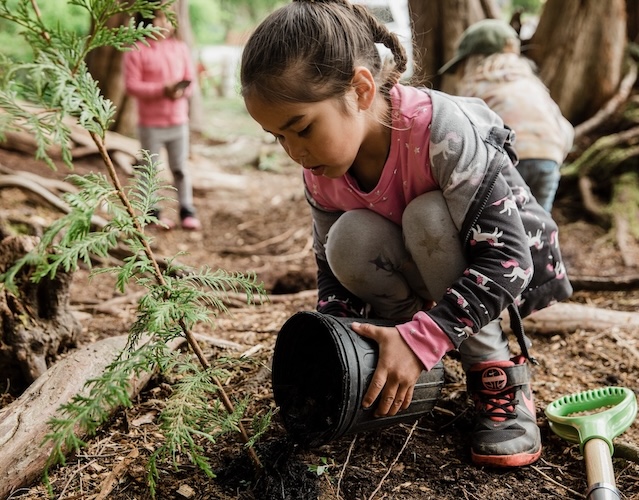
With the support of the WSF, the Redd Fish Restoration Society will collaborate with the Hesquiaht, Ahousaht, and Tla-o-qui-aht First Nations to restore salmon habitats and watersheds prioritized by the nations.
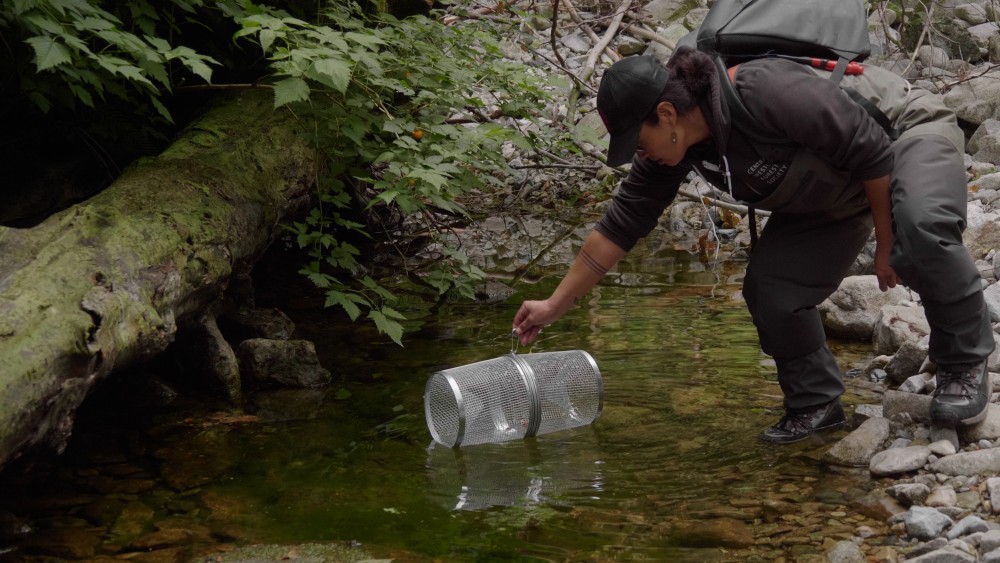
The restoration work is built on a decade of detailed assessments and monitoring of the watersheds and ecosystems to understand the issues within each area that are limiting salmon recovery.
“We’ve identified some really critical projects that could help address the root causes of salmon decline and support the recovery for the long term,” said Jessica Hutchinson, executive director and an ecologist at the Redd Fish Restoration Society. “Our work is looking at each of the salmon [life phases] and trying to identify factors that may be limiting abundance or recovery. Once we’ve pinpointed [these], we can begin to look at what tools we have in our toolkit that could help repair these damages . . . and help accelerate the recovery of these ecosystems that support salmon.”
The primary factor of the salmon habitat issues within freshwater dates back to the 1960s, and lasted up until the 1990s, according to Hutchinson. This period was marked by industrial logging in the watersheds, overfishing, and poor management that led to the decline of the Chinnok, coho, chum, sockeye, pink and steelhead salmon populations. Now human intervention is needed to balance restoration and recovery in the same measure.
“There’s often this misconception that nature heals itself, and to a certain extent I think that is correct, but when we’ve damaged ecosystems to the extent that we have through mining, logging and other industrial activities, we have an obligation to go back and help these watersheds get on a healing trajectory,” said Hutchinson. “[It] is going to take stewardship [and a] commitment by these nations to manage and support these watersheds through that recovery process.”
The loss of Indigenous management and stewardship in the watersheds is another factor in the historical degradation. The Redd Rish Restoration Society works closely with First Nations to support guardian programs, stewardship, and the reconnection of these communities with the affected watersheds.
Climate change is another contributor to salmon decline, with water temperatures that aren’t suitable for juvenile and adult salmon to incubate their eggs. Summer droughts are affecting salmon, as they become stranded near creeks and streams, leaving the fish vulnerable to predators.
Watersheds play a critical role in the ecosystem by regulating water flow and temperature, with the salmon population highly dependent on these structures to thrive and avoid decline. The partnership with the Redd Fish Restoration Society and First Nations communities offers the opportunity to restore the wild salmon, one of the coast’s most culturally important resources.
“Collaboration is at the heart of this work, as we all have a shared responsibility to contribute to the care and preservation of our most sacred source of life — water,” said Toni Boot, vice-chair of the REFBC Board of Governors and a member of the Watershed Security Fund Joint Executive. “When we support each other in this work, we support a future with vibrant watersheds and healthy communities.”
The 26 beneficiaries of the WSF are set to work on implementing nature-based solutions to lessen the impact of climate change on ecosystems and place First Nations’ rights and knowledge at the centre of the operation, fostering lasting collaborations based on respect and balance.
These 80 projects have supported over 640 jobs while helping communities achieve economic, cultural, social, and environmental objectives by prioritizing watershed health.
The Wildsight Foundation, another beneficiary of the grant, is offering an educational program to empower students from Grades 10 to 12 across the Columbia River Basin area to engage in water monitoring and management.
The Soowahlie First Nations, another recipient of the WSF grant, is set to restore the Sweltzer Creek Watershed, aiming to replace the current inadequate infrastructure for community safety and flood management.
Since the launch of the grant program in 2024, the WSF has supported 80 watershed projects and made $18 million in direct investments to communities, including $10 million from the WSF, $8 million in philanthropic contributions.
In those two years, the WSF has received 400 grant applications with over $100 million in funding requests, proof of the vast need for funds and the serious commitment of communities to care for water resources within the ecosystem.
“We’re grateful to the nations that we work with on habitat recovery and restoration. We’re also very grateful to the Real Estate Foundation of BC, the Watershed Security Fund and everyone who really believes in the work that we’re doing. We’re excited about what strides we can make with this funding,” said Hutchinson.
The WSF will continue to seek funding opportunities through government, philanthropic and industry contributions to secure reliable funding that will support healthy watersheds and communities.