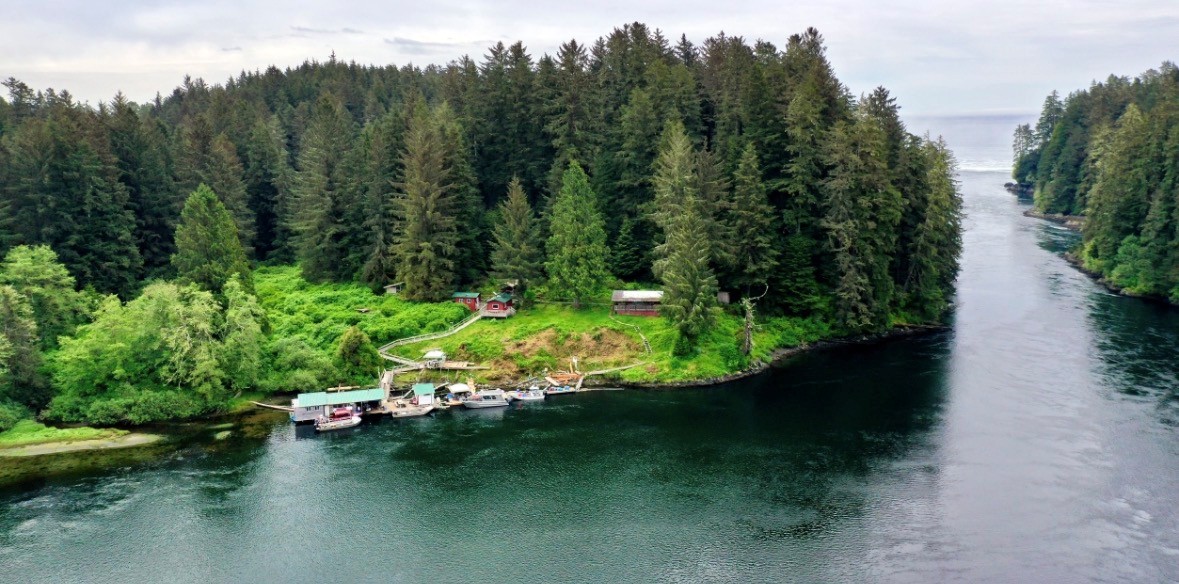
Carl and Shelley Edgar operate Nitinat Wilderness Charters and Crabshack, located in the middle of the West Coast Trail (WCT) on the south side of Nitinaht Narrows in Ditidaht First Nations territory.
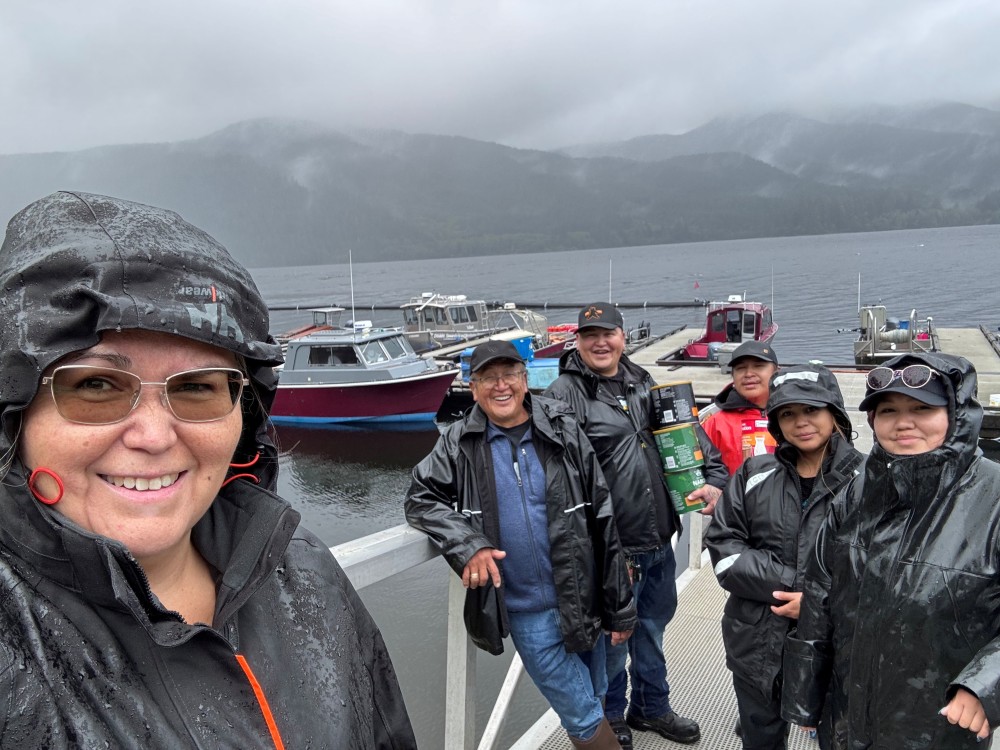
They said the rain started Saturday evening, July 25.
“I was out fishing in the morning. The ocean was all flat. It was like a lake out there. It was eerie, calm, not even a wave out there,” said Carl.
Shelley thought the rain was going to be a passing cloud. Then all of a sudden, everyone wanted off the trail, “like right now”.
“It just seems so surreal. It’s a freak for July. We’ve never experienced something like that. We’ve been through a storm in August and a storm in September and we know what to expect with those ones because they happen every single year. But this one is the first time in July,” said Shelley.
“I think it’s the super El Niño coming,” said Carl.
El Niño is characterized by a warming of ocean surface temperatures in the central and eastern Equatorial Pacific. According to the World Meteorological Organization (WMO), El Niño typically increases global temperatures and drives more extreme weather and rainfall patterns. Historically, El Niño typically occurs every two to seven years and lasts around nine to twelve months. The WMO says warm ocean waters are fueling the development of El Niño.
Following Saturday and Sunday’s freak downpour, the Edgar family evacuated 70 hikers off Canada’s famous WCT. They shuttled people on boats to Ditidaht’s main village where the hikers jumped on the West Coast Trail Express or Nitinaht Lake Express for road transportation out of the village.
“It was hectic,” said Carl. “We had a full house on our tent deck and our cabins.”
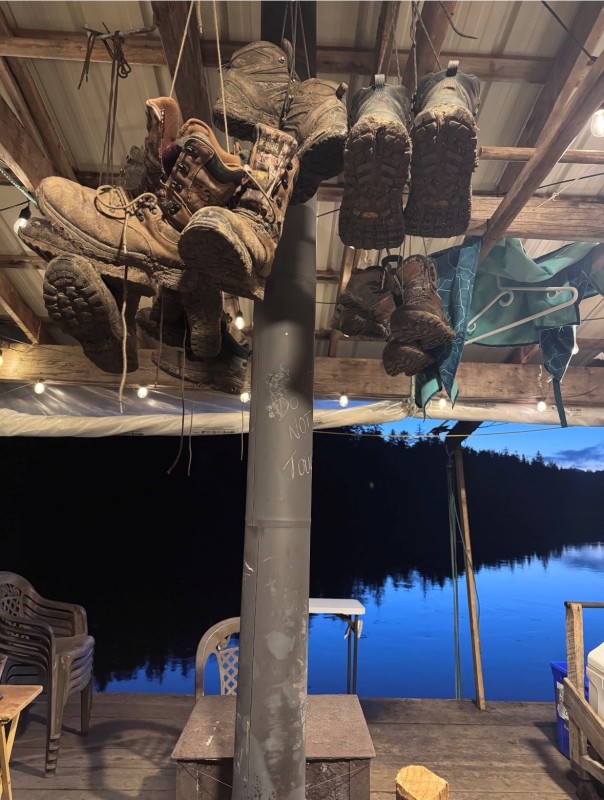
With campfires currently banned in the region, the Crabshack and cabins are the only place on the 75-kilometre WCT where hikers can get dry.
“We’ve been up until 2 or 3 in the morning with hikers helping them dry their gear,” said Shelley. “Most are grateful and happy to have made it here.”
On July 27, Parks Canada said the heavy rainfall has made sections of the WCT impassable.
“Creeks and rivers are running high, and more rain is expected through Wednesday, July 29. Parks Canada’s Visitor Safety team is responding to a significant number of evacuation requests,” read the Pacific Rim National Park Reserve, Parks Canada social media post.
Hikers who were on the trail during this downpour either found their way to safety or were evacuated.
“The majority of evacuations during this period have been carried out by boat, allowing for full hiking parties to leave with the injured or unhealthy individual, with a smaller number of evacuations completed by helicopter,” wrote Parks Canada in an email to Ha-Shilth-Sa. “Of those hikers evacuated, a small number experienced injuries, primarily resulting from slips, falls, or the aggravation of pre-existing injuries. For most, the principal medical concern was the risk of hypothermia due to prolonged exposure to the cold, wet conditions.”
The federal agency is encouraging hikers with reservations through to Aug. 1 to delay or cancel their trip. They say hikers with reservations from July 27 to August 1 may cancel for a full refund.
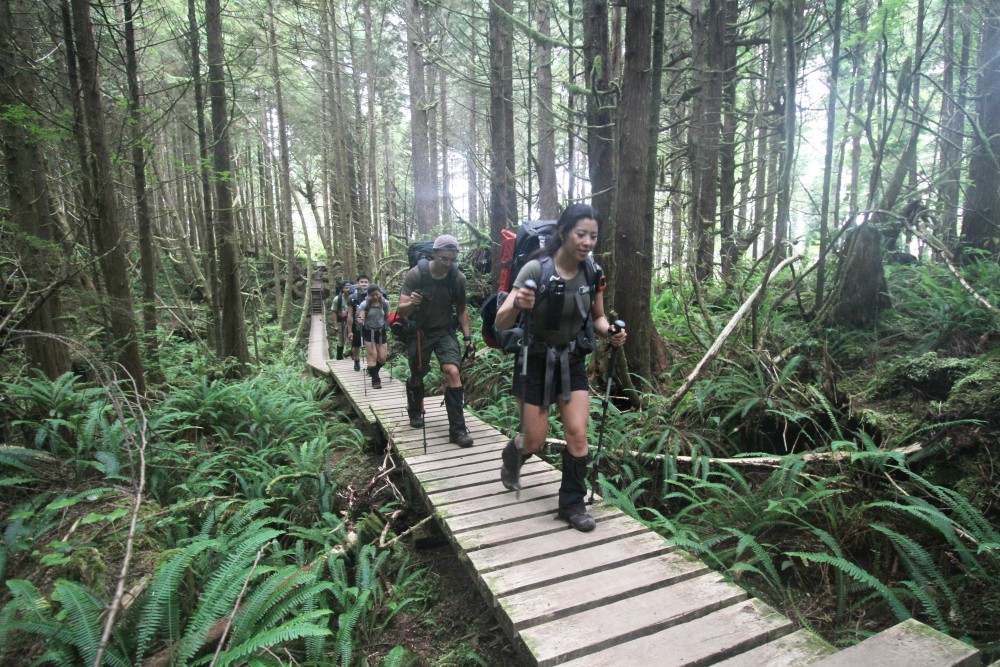
“Current trail conditions include extremely muddy and slippery sections, standing water, and variable river levels, resulting in slower travel times,” noted Parks Canada. “Hikers must be prepared to wait several days for water levels to recede, or to self-evacuate through their starting point or Nitinaht Lake.”
Carl and Shelley have since been hit with a flurry of cancellations and re-schedules, but Carl says it “balances itself out”.
“We adapt and we absorb it,” he said.
“It is too early to determine whether flooding or infrastructure damage will affect the trail beyond this week,” said Parks Canada on July 30. “Parks Canada will continue assessing trail conditions and incoming weather and will provide further updates as information becomes available.”
The WCT attracts over 7,500 hikers a year from across Canada and around the world. The Edgar’s have been safely shuttling trekkers across the Nitinaht Narrows since 1975.