The B.C. Coroners Service released their preliminary toxic illicit drug deaths report, showing that 113 people died in July, and 126 in August due to unregulated drug toxicity.
It has been more than a decade since the Province of British Columbia declared a public health emergency over the toxic drug crisis. Since that time, more than 18,000 deaths in B.C. have been attributed to unregulated toxic drugs. That number is close to the population of Port Alberni, which stands is at 18,259.
The number of toxic drug deaths in 2026 means that an average of three to four British Columbians die each day due from illicit drug use. And Vancouver Island ranks among the highest rates of unregulated drug deaths this year, along with the Northern health region.
The City of Victora ranks third, at 80 deaths, behind Surrey (82) and Vancouver (237) as the cities experiencing the highest number of unregulated drug deaths over the first eight months of 2026.
According to the BC Coroners Service, the majority of those deaths, 76 per cent, were males. They say the crisis is driven by an unpredictable and volatile illicit supply containing potent fentanyl analogues, sedatives like medetomidine, and other dangerous contaminants.
The BC Coroner Service reports Indigenous communities, men, and workers in trades, transport, as well as equipment operation continue to be severely impacted, with First Nations individuals dying at rates several times higher than other residents.
Brianna Rai is the harm reduction outreach coordinator for the Nuu-chah-nulth Tribal Council. She concurs that males are being impacted by the drug crisis at a higher rate.
“From our outreach team's perspective, one of the factors contributing to the high number of First Nations men affected by the toxic drug crisis is that many men are carrying significant trauma but are often less likely to reach out for support. There can be a strong expectation for men to handle challenges on their own, and many may not seek help until they are already in crisis,” she noted.
Shelly Hamilton lost her uncle, Jeremy Smith, 46, of Nuchatlaht just over a year ago.
“When we look at these numbers, our family does not see statistics—we see our loved one. We don't view his death as an ‘overdose’; it was toxic drug poisoning,” she shared.
Hamilton said Jeremy was a residential school survivor - and much more.
“He was a proud man who took accountability for his mistakes, loved the children deeply, and was part of the first generation of residential school survivors. The institutionalization, stigma, and labeling affected his self-esteem, but he was loved, valued, and remembered by his family and community,” she said.
During his life, Smith reached out for support but would relapse. Hamilton said her uncle was aware of the dangers of the illicit drug supply and took precautions.
“My uncle was an educated, responsible man who knew how to safely use illicit drugs, regularly accessed Overdose Prevention Services (OPS), carried Narcan, and saved many lives himself,” said Hamilton. “Yet, because of systemic stigma, his death was treated as just another number, with key details ignored and no real investigation into what happened to him.”
“What we are seeing in the field is that many of the individuals struggling with substance use have experienced significant trauma, loss, grief, and adverse life experiences. Substance use is often a symptom of much deeper challenges rather than the root cause itself,” said Rai.
She went on to say that the toxic and unpredictable drug supply has also changed the landscape dramatically.
“People who may have previously survived their substance use are now at much greater risk of overdose and death,” Rai continued. “Combined with trauma, isolation, housing instability, and limited support systems, this creates a situation where many people are falling through the cracks.”
“In 2026, fluorofentanyl has become the most common substance detected in expedited toxicological testing, discovered in 68 per cent of unregulated drug deaths,” states the most recent coroner’s report. “Cocaine (56 per cent) is the second most-detected substance in decedents who underwent expedited testing, followed by methamphetamine (53 per cent), fentanyl (50 per cent) and desalkylgidazepam (21 per cent).”
But what is in the latest supply of drugs is often unknown, until it is too late.
It is important to note that the data from the report is preliminary and subject to change as additional toxicological results are received and investigations conclude.
The Nuu-chah-nulth Tribal Council provides support through their health department’s Harm Reduction Team that uses a cultural wellness approach that meets clients without judgement.
According to the team, there are many challenges.
“In our community, there are also limited supports specifically designed for men,” said Rai. “While there are services available, there is no men's shelter, men's transition house, or dedicated men's recovery-focused housing. When men are experiencing homelessness, mental health challenges, substance use issues, or family breakdown, there are often fewer support options available to them.”
Rai says her team, who work on the frontlines, see a need that is not being addressed.
“We need more supports for men, including safe housing options, recovery and treatment services, mental health supports, peer-led programs, and spaces where men feel comfortable asking for help before they reach a crisis point,” she said. “We need to recognize that men can be vulnerable too, and ensuring they have access to appropriate support is an important part of addressing the toxic drug crisis.”
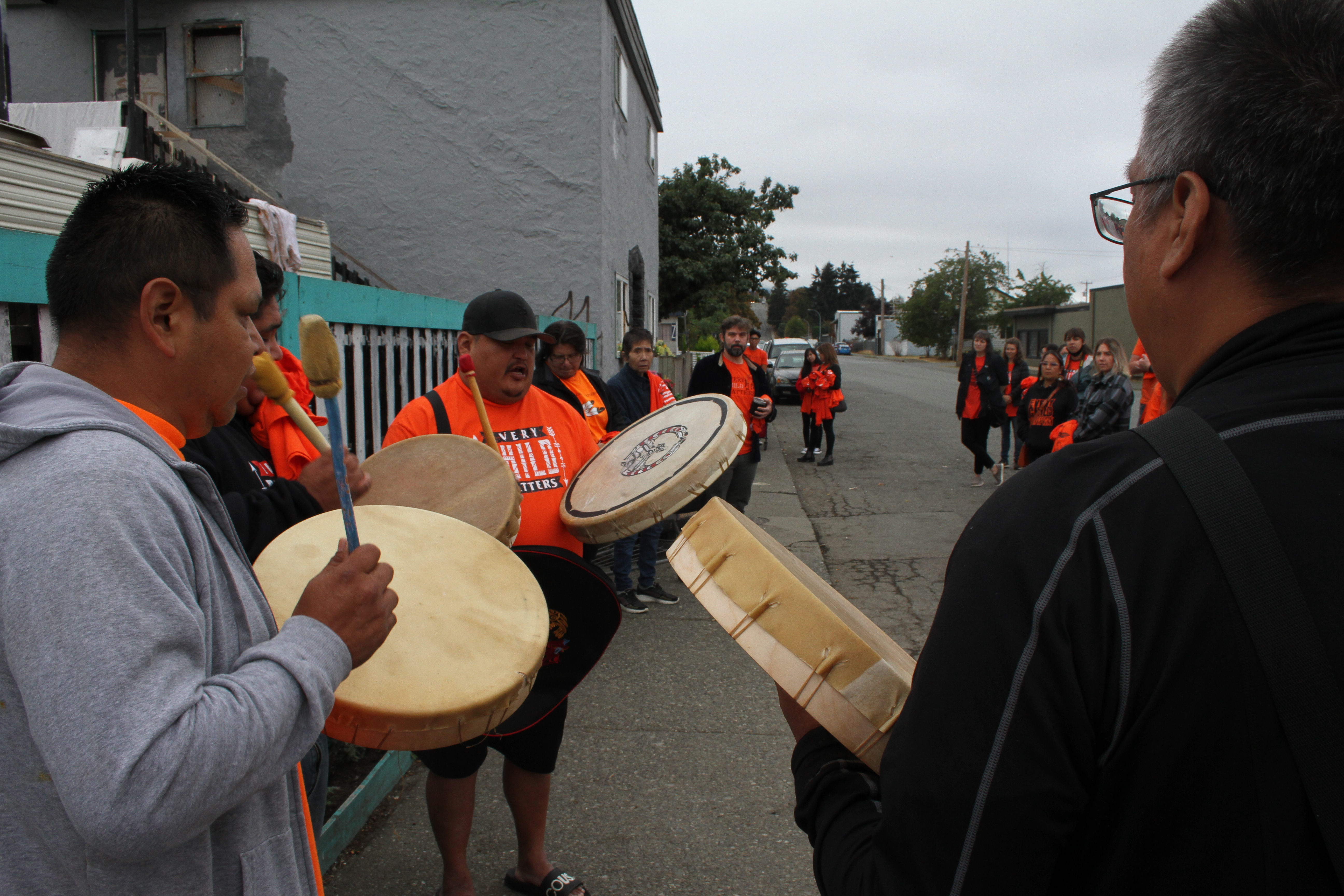
Hamilton says before her uncle died, he found a soft place to land in his culture, and this approach is helping the family in their grief. During the summer the family hosted a drying of the tears ceremony in Campbell River.
“For families going through this, the grief and trauma can make you feel trapped, stagnant, and unheard when trying to fight for accountability,” Hamilton shared. “What is helping our family navigate this grief is leaning into our culture, our ancestral teachings, and the wisdom passed down by our grandparents. Grounding ourselves in traditional ways—like coming together through potlatch—helps us redirect our focus from the trauma toward reclaiming who we are.”
“Our voices and our stories need to be heard, not just to highlight the systemic failures, but to honor the dignity of the lives we’ve lost and to support one another in healing,” she added.
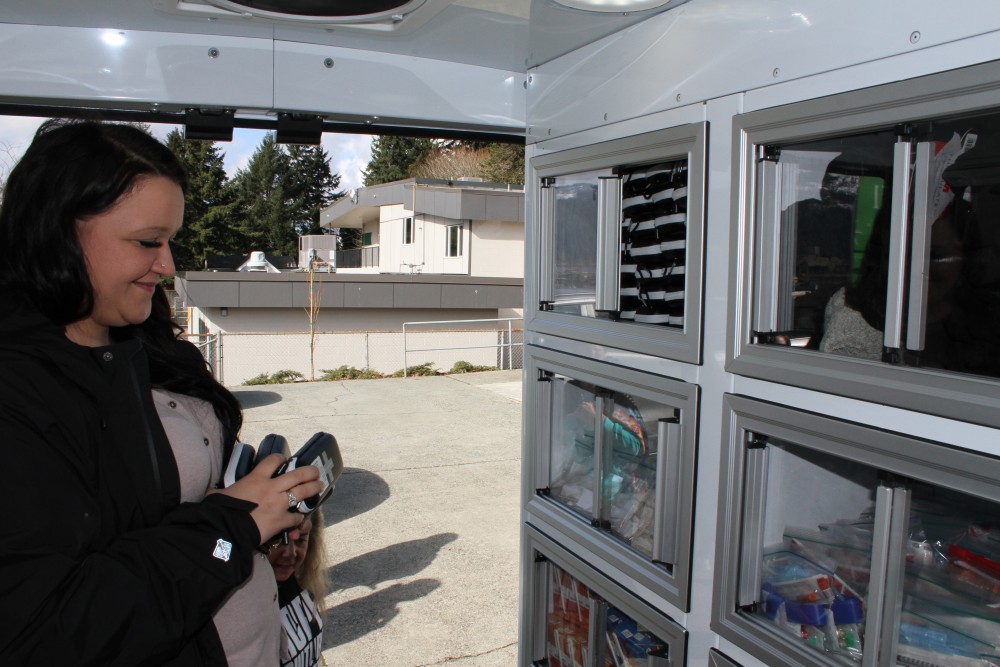
In Port Alberni, the NTC’s Harm Reduction team works collaboratively with other service providers to support the unhoused and those in need. They provide Naloxone training and distribute harm reduction materials to community members.
In addition, the team hosts group activities like picnics during the summer and other events to promote wellness and safety. They work to ensure those battling addiction and mental health know they are important and supported.