
They are meant to provide certainty for all and keep governments out of the courtroom but with their relative newness, modern day treaties have gaps that are hindering progress. That is why Canada’s modern-day treaty first nations believe it is necessary to appoint a modern-day treaty commissioner and they hope that Bill C-10, a bill that would see the appointment of a commissioner, will pass.
In Nuu-chah-nulth territories, there are five Maa-nulth Treaty nations, including Huu-ay-aht, Ka:’yu:’k’t’h’/Che:k’tles7et’h’, Toquaht, Uchucklesaht, and Yuułuʔiłʔatḥ (Ucluelet)
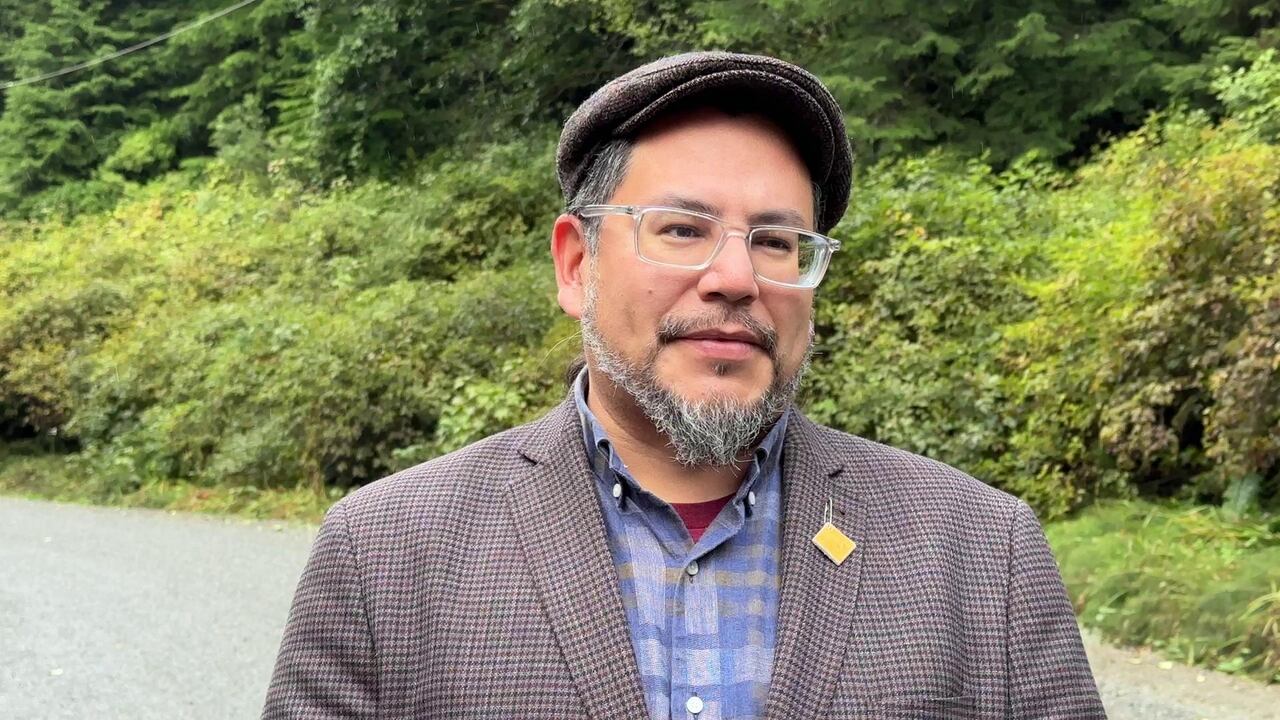
Huu-ay-aht elected Chief Councillor Sayaač̓atḥ, John Jack, addressed the Parliamentary Committee on Indigenous and Northern Affairs on February 26 to say that it is time for a Modern Treaty Commissioner (Bill C-10).
“After 15 years of the Maa-nulth Final Agreement, federal implementation remains inconsistent. By implementing a Modern Treaty Commissioner, we hope to provide impartial oversight across the whole federal government. Bill C-10 ensures that the thousands of obligations in the Maa-nulth Final Agreement are met,” he stated.
According to the federal government, modern day treaties are land and self-government agreements, “designed to create legally binding, long-term frameworks that reduce the need for litigation by providing certainty regarding land rights, resource management, and self-governance.”
These agreements are constitutionally protected under Section 35 of the Constitution Act, 1982, and aim to shift the relationship from conflict to negotiation.
Huu-ay-aht signed their Maa-nulth treaty in 2011. Fifteen years later, Jack said that there are some things in the treaty regarding rights and governance in the treaty that maybe not be fully understood by all sides that could lead to misinterpretations and delays.
“Modern treaties are complicated, whole of government documents,” he told Ha-Shilth-Sa. As things stand now, it takes a few ministers from federal and provincial governments meet obligations under a modern treaty, and that can cause confusion and delays or inaction. “We can't just be presided over by one minister, it has to be the whole of government,” said Jack.
And when nothing happens, the nation must find other ways to make it happen. And that could mean the courts, the very thing that modern day treaties were meant to avoid.
“The only way that we can seek recourse is by going to the courts which costs money, costs time, and it costs the relationship by confidence. What we'd like to do is skip all of that,” said Jack.
“Treaty implementation is specialized and sophisticated enough that it just can't be run off the side of the desk of anyone,” said Jack. He said there is a need for a dedicated civil servant who knows about how modern treaties work that and knows about how the federal government works.
Enter Bill C-10, an Act that calls for the appointment of a Commissioner for Modern Treaty Implementation. 20 years in the making, Bill C-10 was presented to the House of Commons on Mar. 23, 2026.
According to information posted on federal websites, enacting Bill C10 would provide for the appointment of a Commissioner for Modern Treaty Implementation, “to conduct reviews and performance audits of the activities of government institutions related to the implementation of modern treaties.”
It also establishes the Office of the Commissioner for Modern Treaty Implementation for the purpose of assisting the Commissioner in the fulfillment of their mandate and the exercise of their powers and the performance of their duties and functions. Finally, it makes consequential amendments to other Acts.
“The idea is that we need a mechanism for accountability,” said Jack, adding that it is an oversight that should be corrected so we don’t have to go to the courts every time that there's a disagreement or misunderstanding that we can just get to a point where we 're actually making progress together.
“We see it as like the same kind of function that the auditor general does. The auditor general mostly focuses on the money, right? Where we also want to focus on their ability to actually get the work done, not just money,” said Jack.
According to the Parliament of Canada website, Bill C-10 has passed two of three readings in the House of Commons. There is no date indicated on the website for the third and final reading.
Jack says the Bill is more than 20 years in the making so he is hopeful it will finally pass.
“Together, we can deliver the results that modern treaties were meant to enable and enoble.” — Chief Councillor Sayaač̓atḥ, John Alan Jack.


