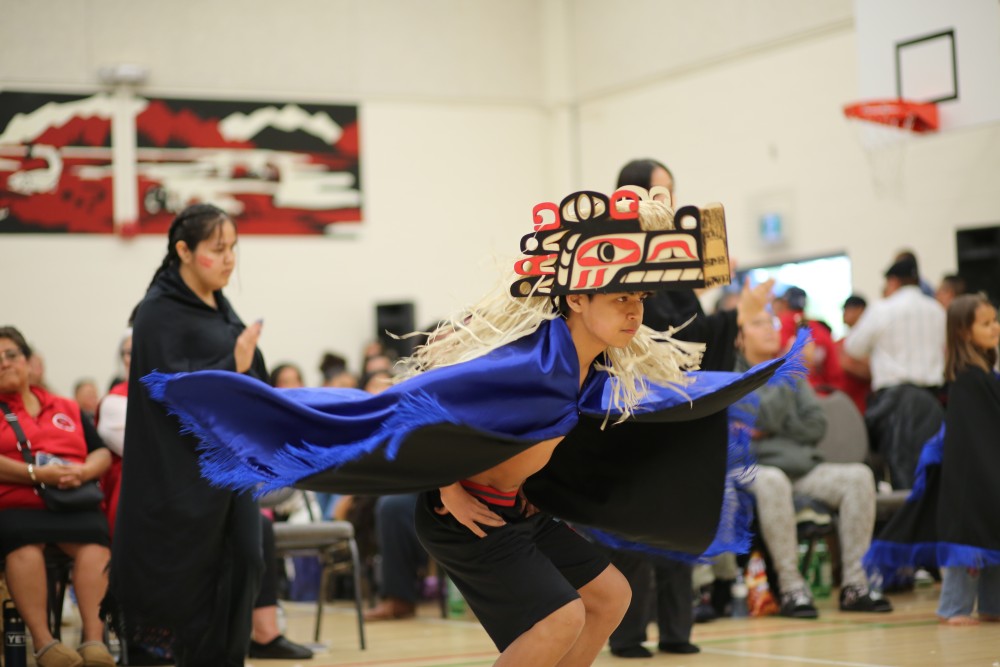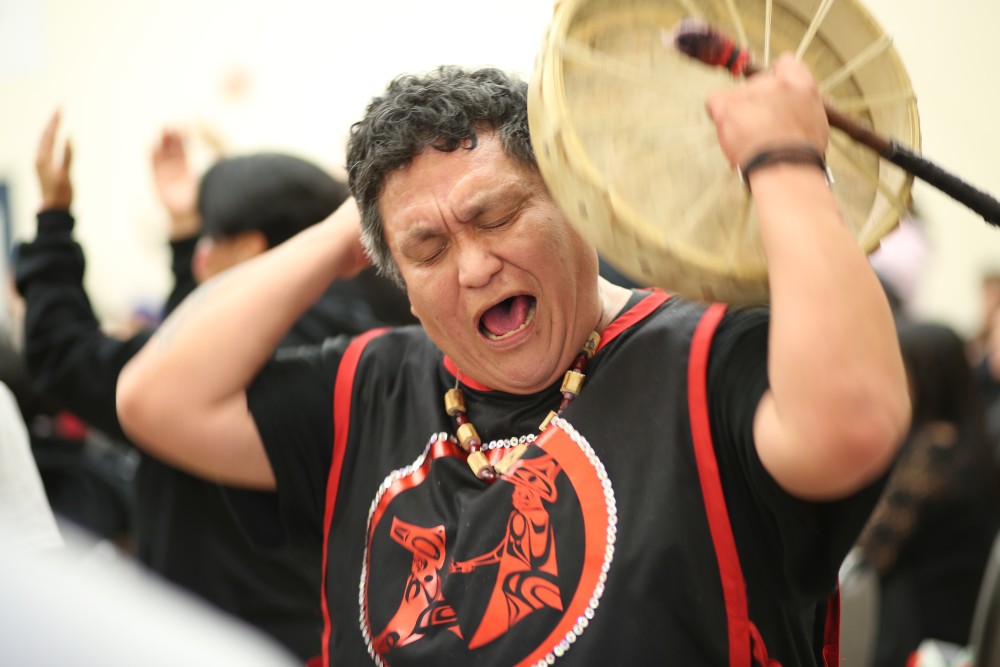
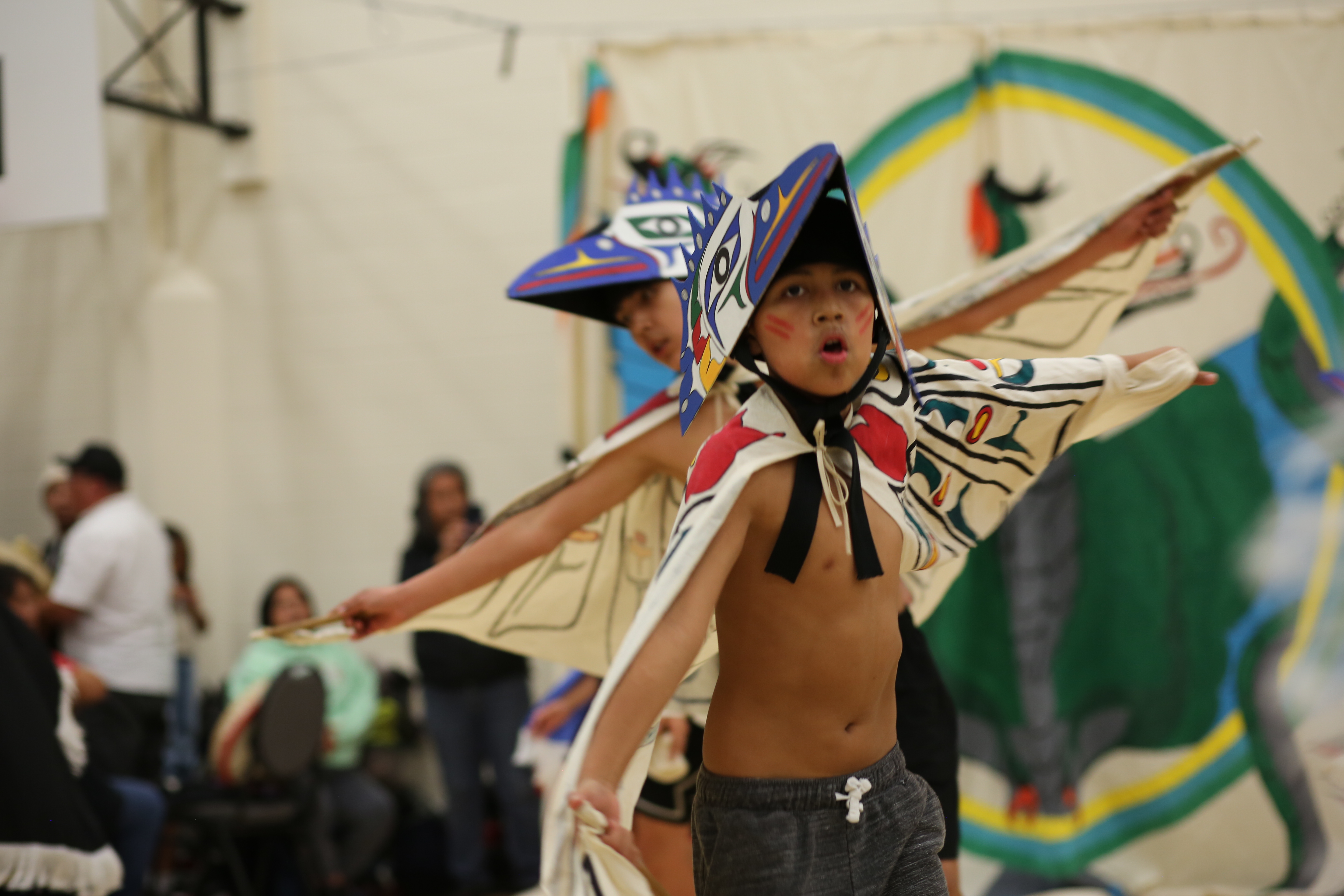
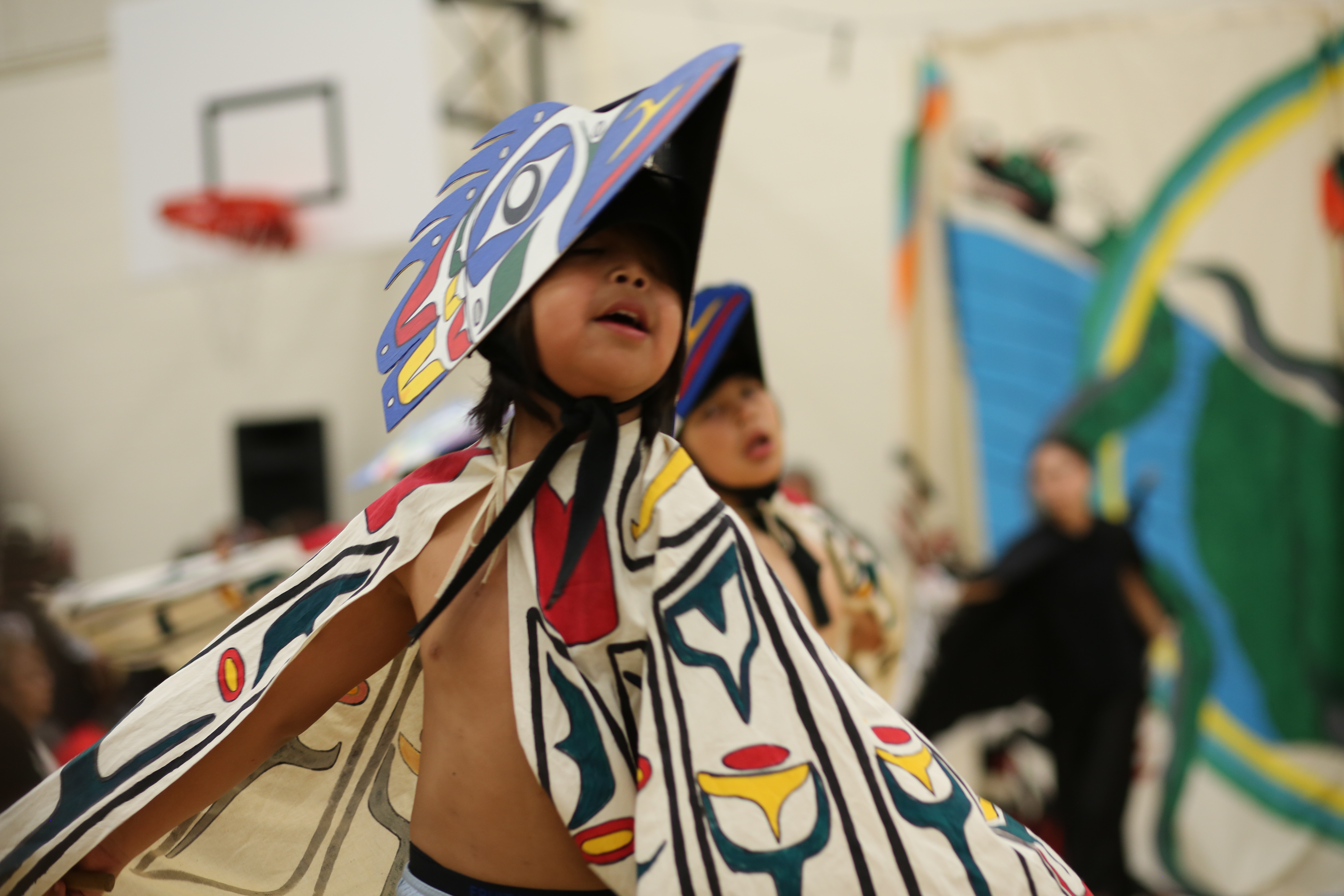
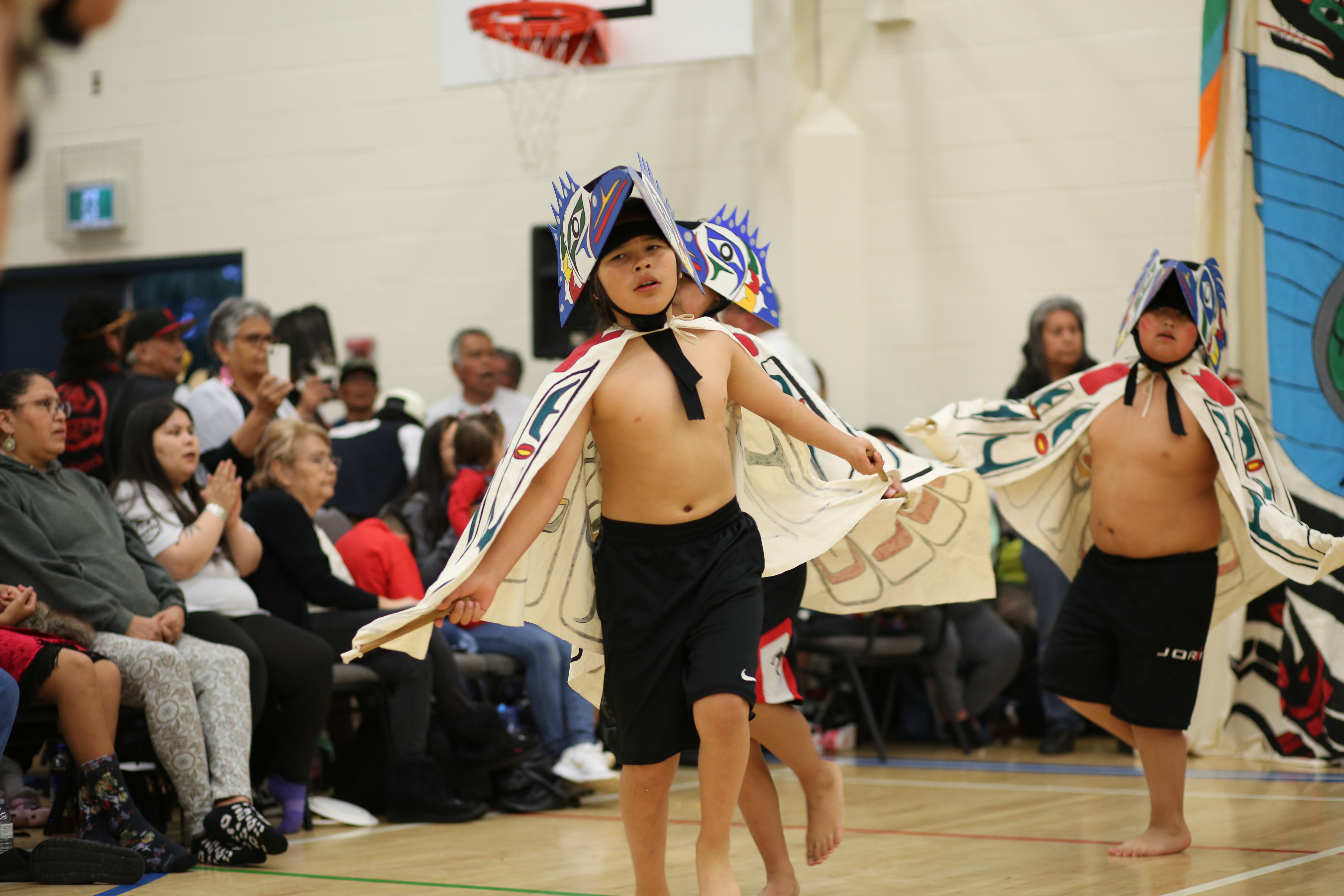
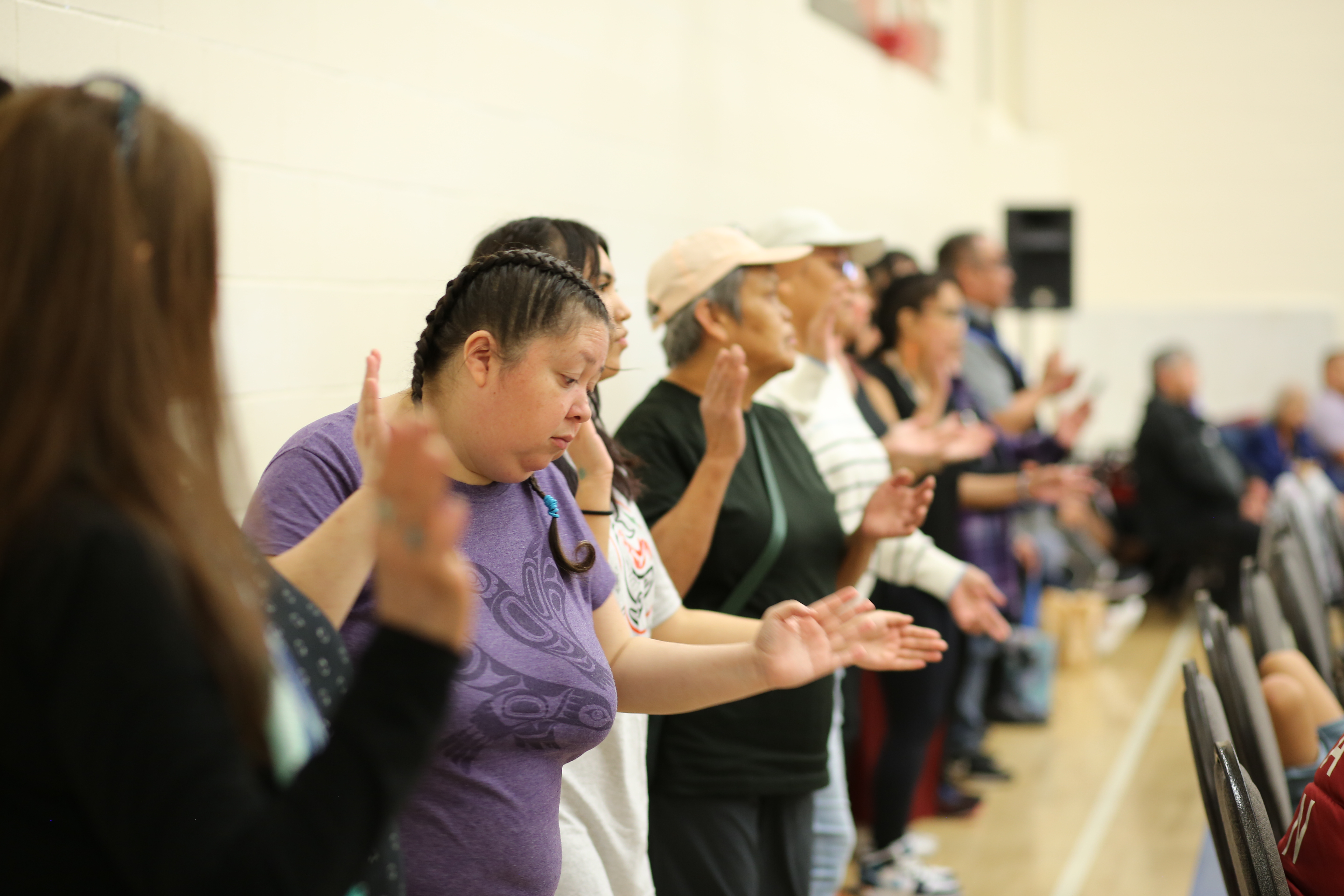
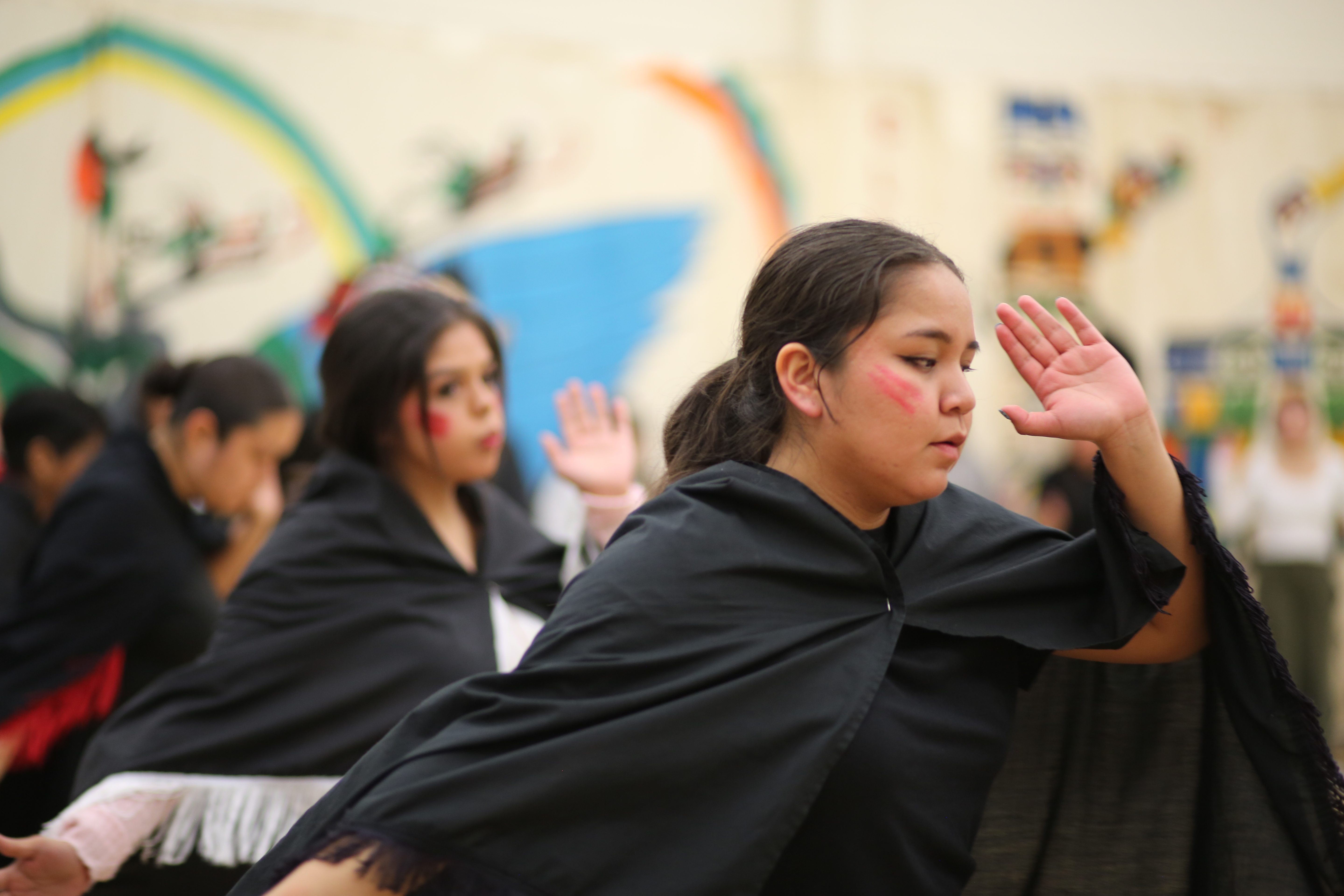
Born as an alternative to Tla-o-qui-aht’s growing participation in the Vancouver Hoobiyee event, a new cultural celebration has arisen that the First Nation plans to make an annual gathering in its home territory.
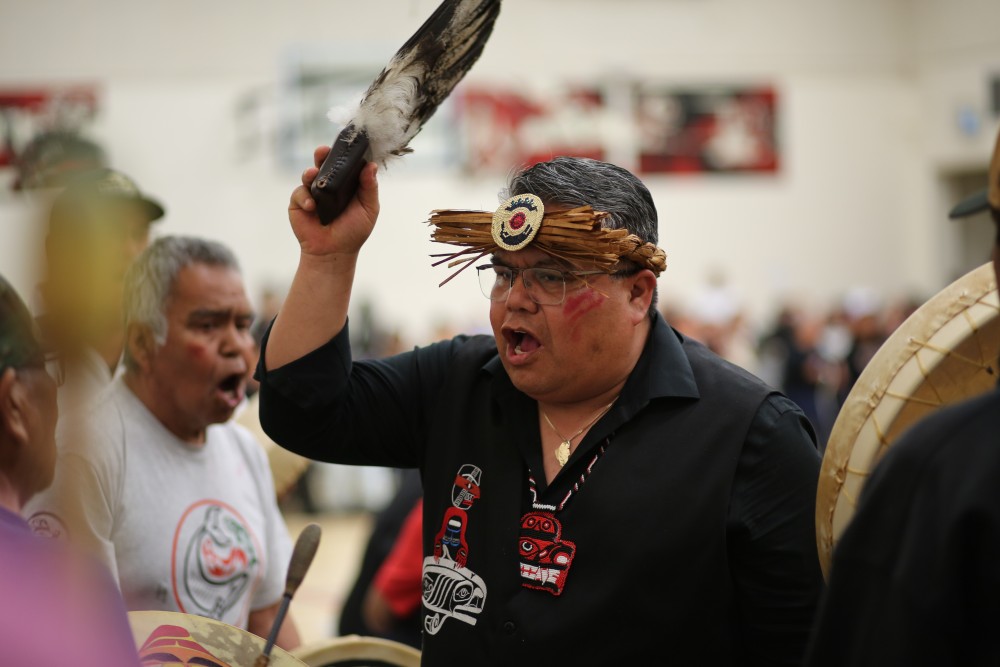
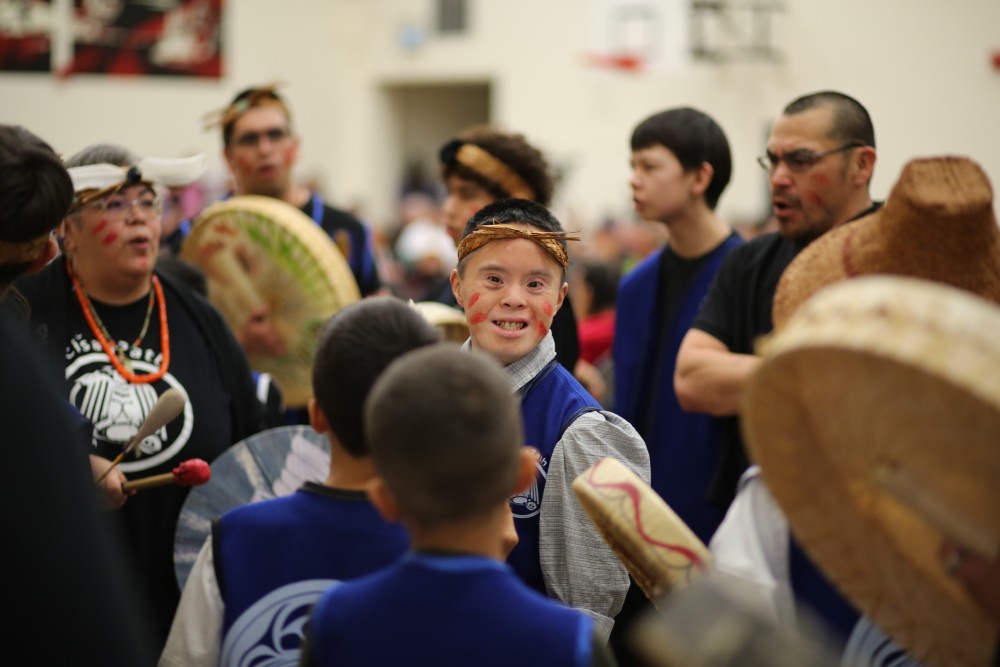
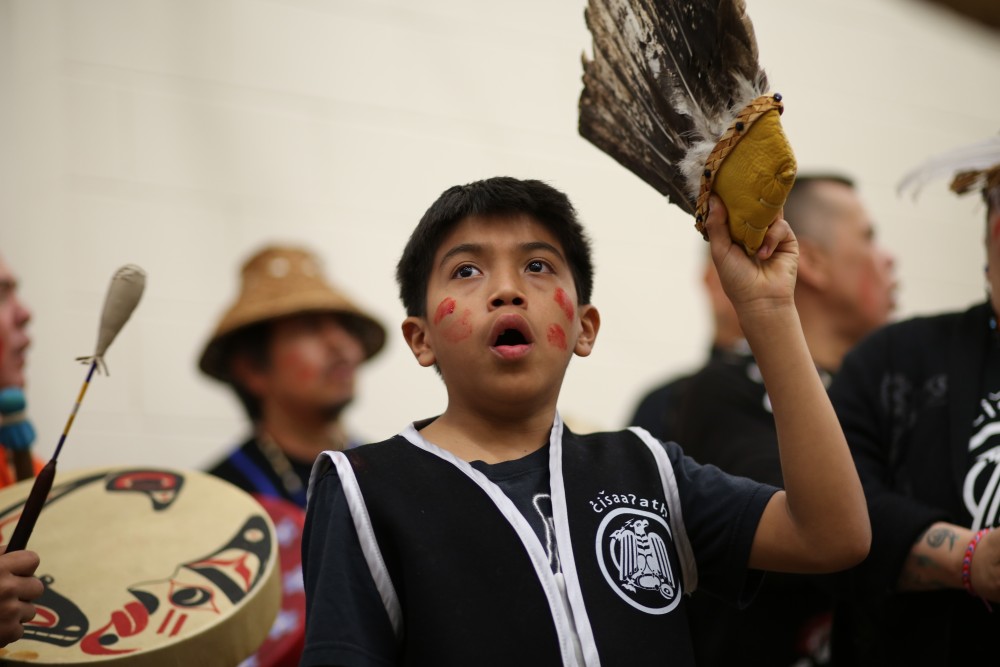
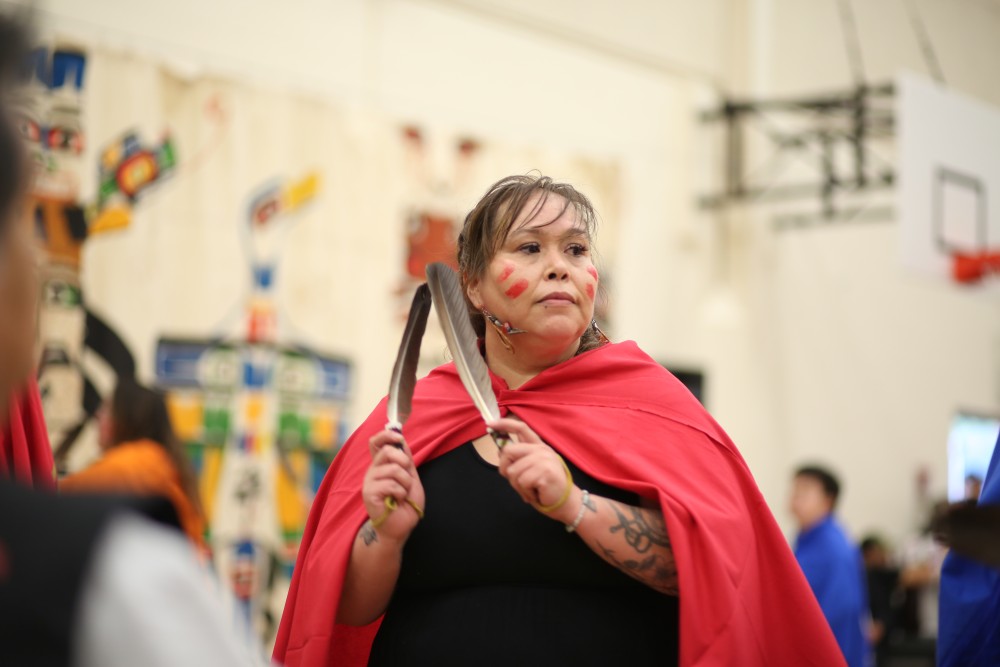
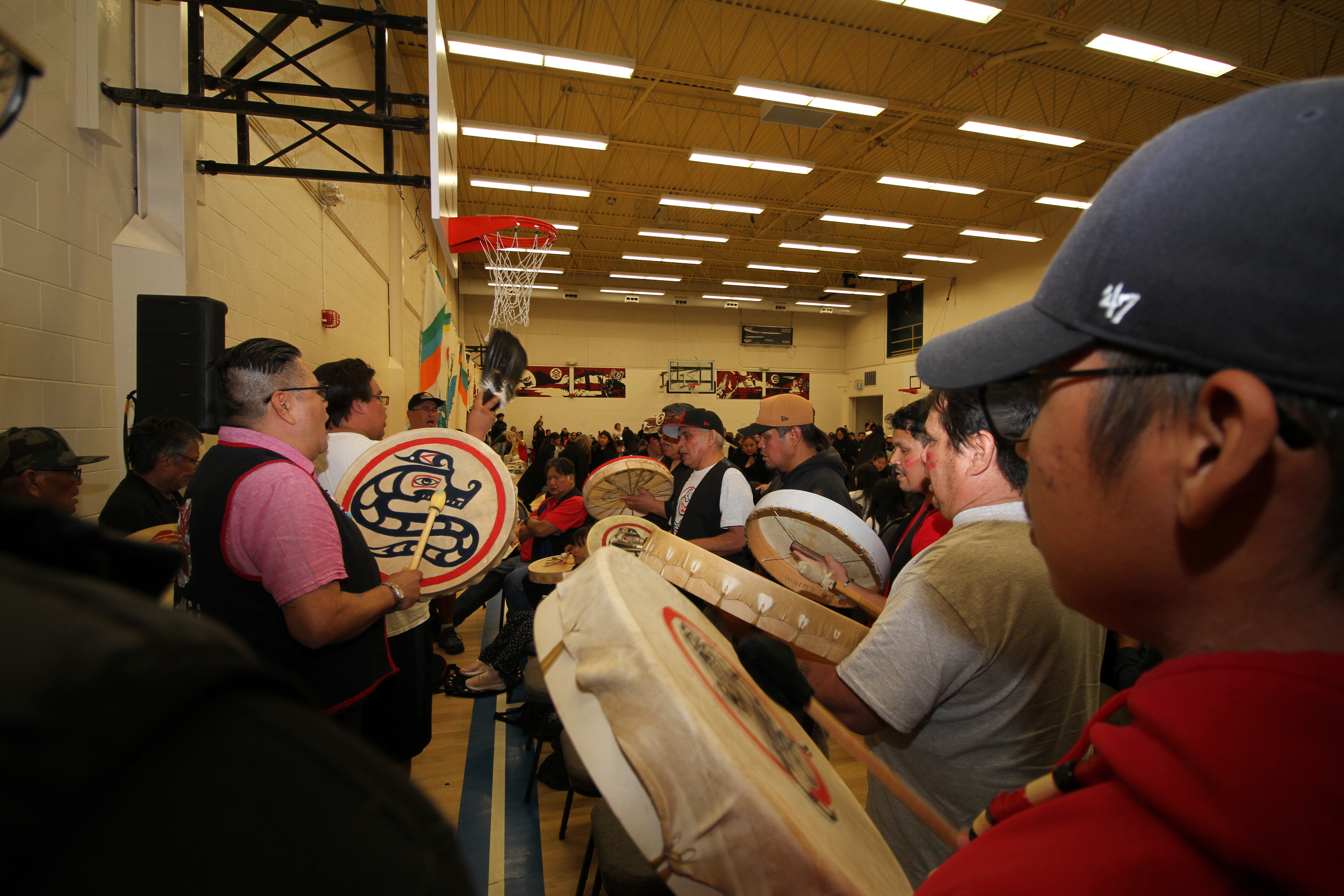
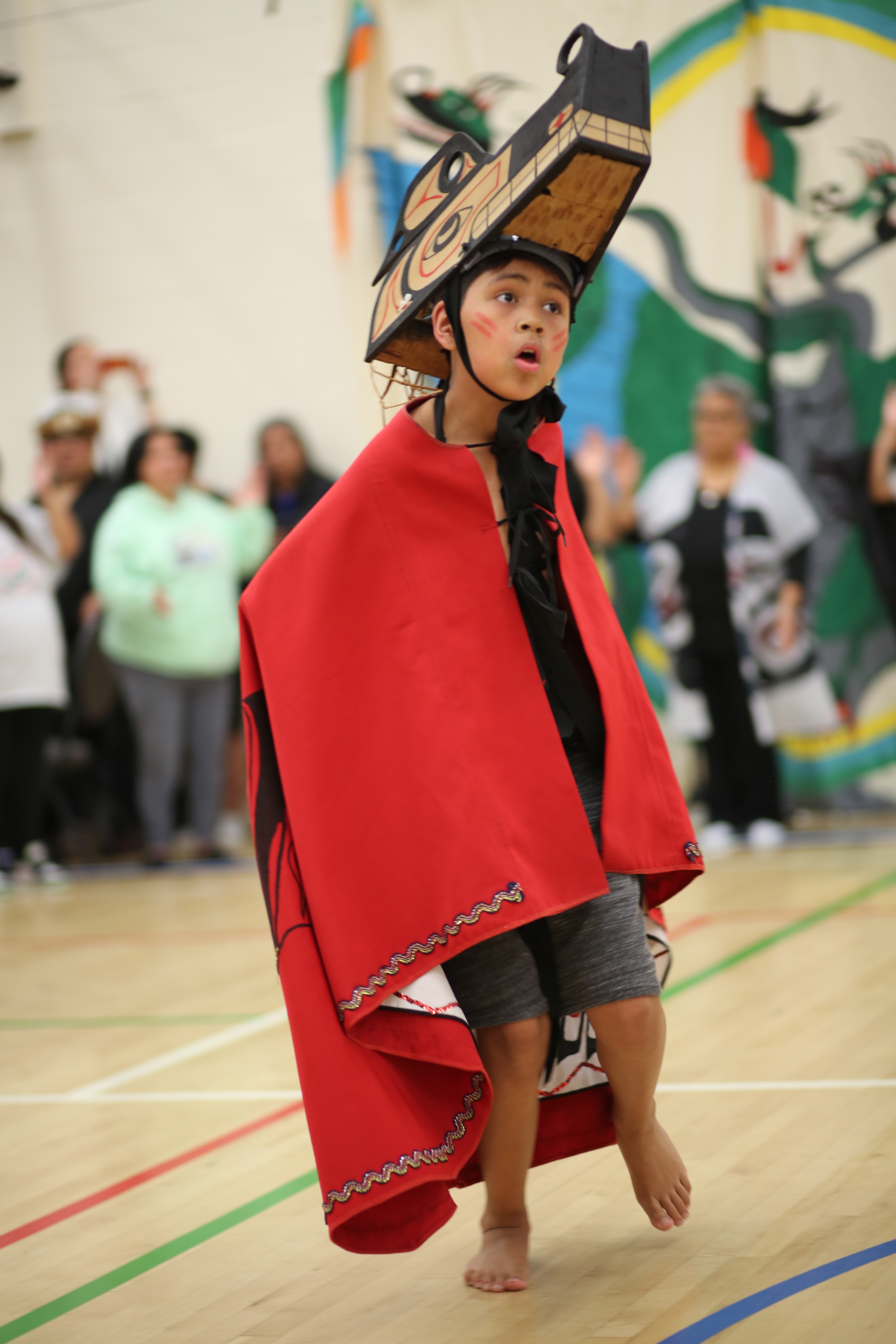
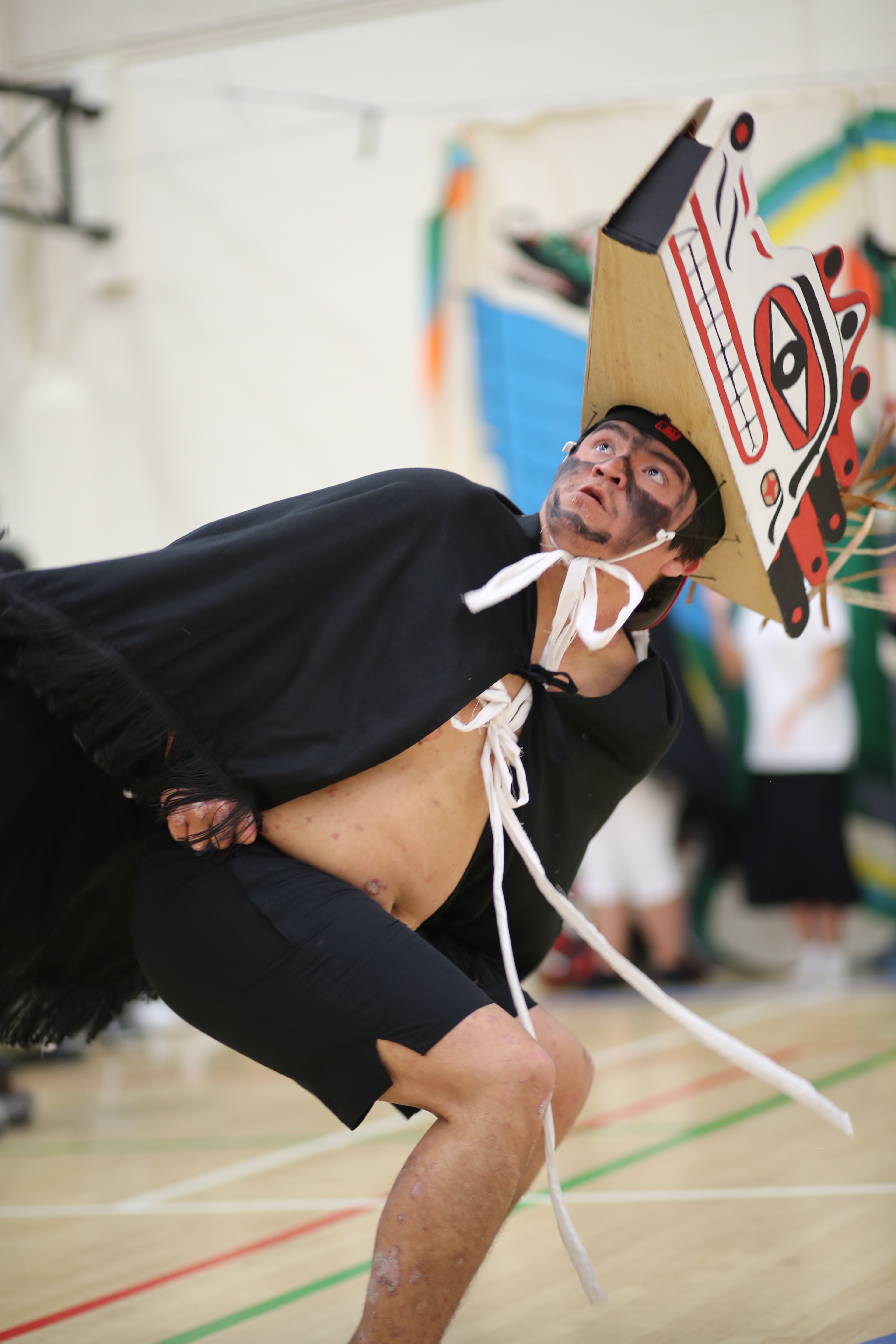
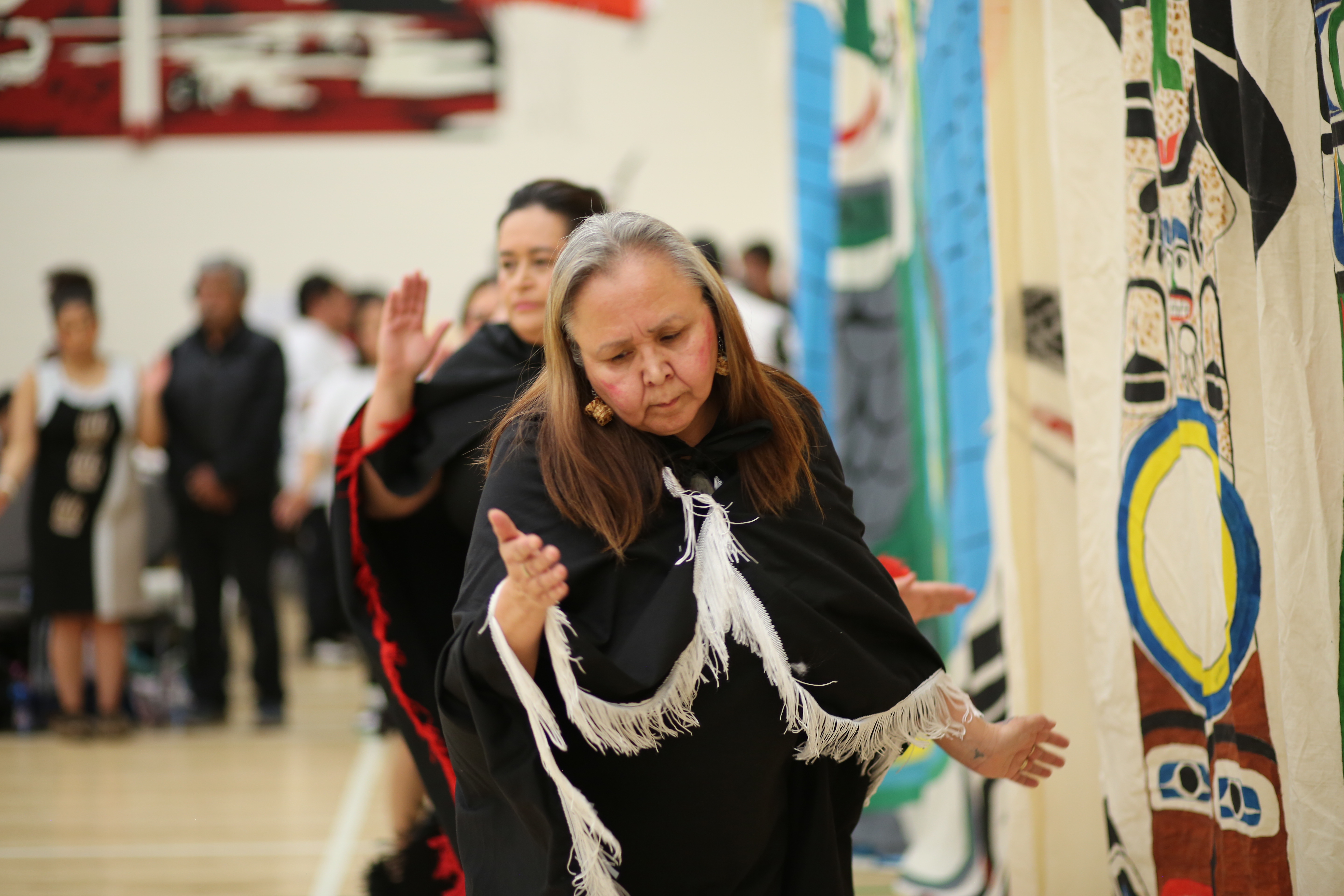
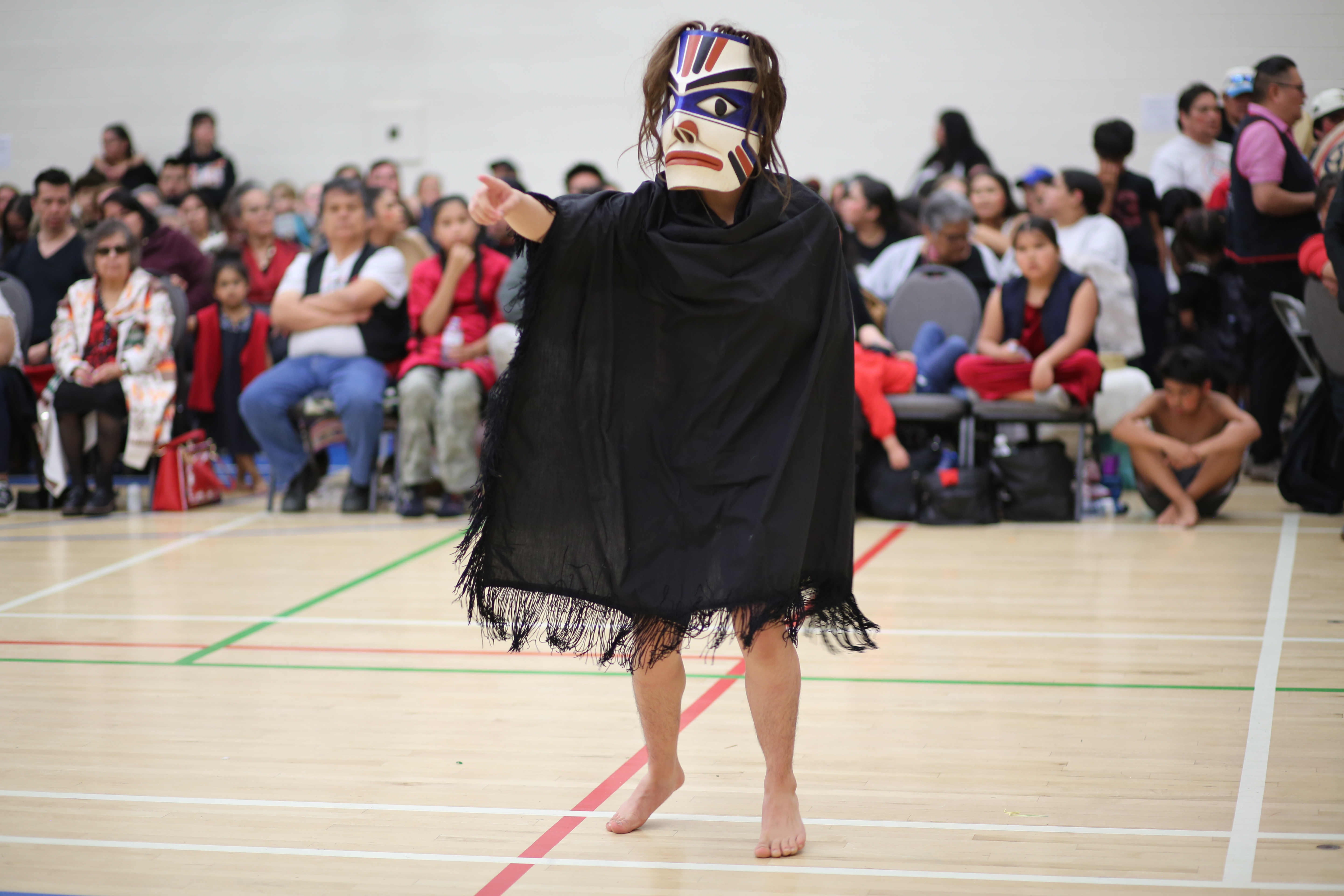
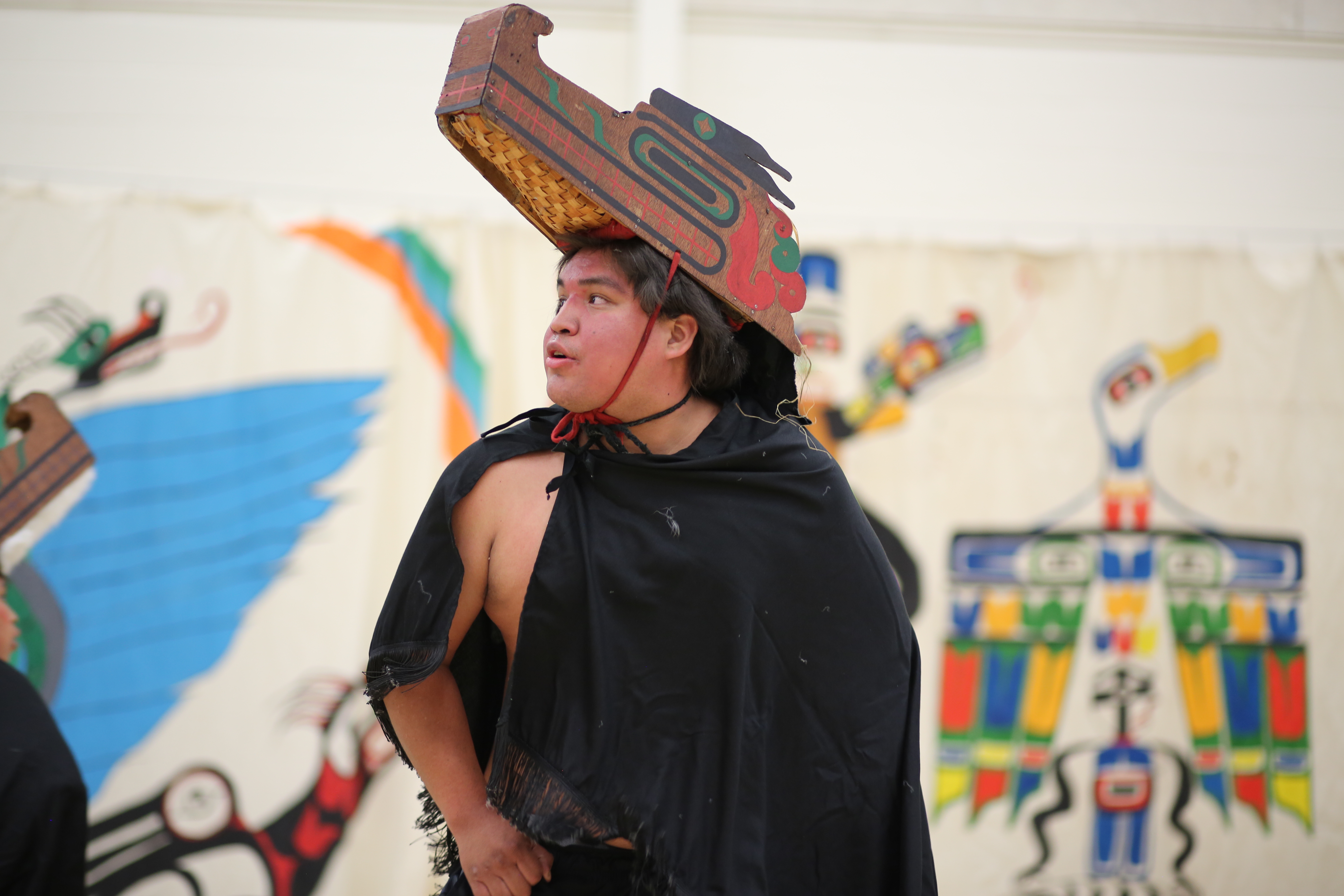
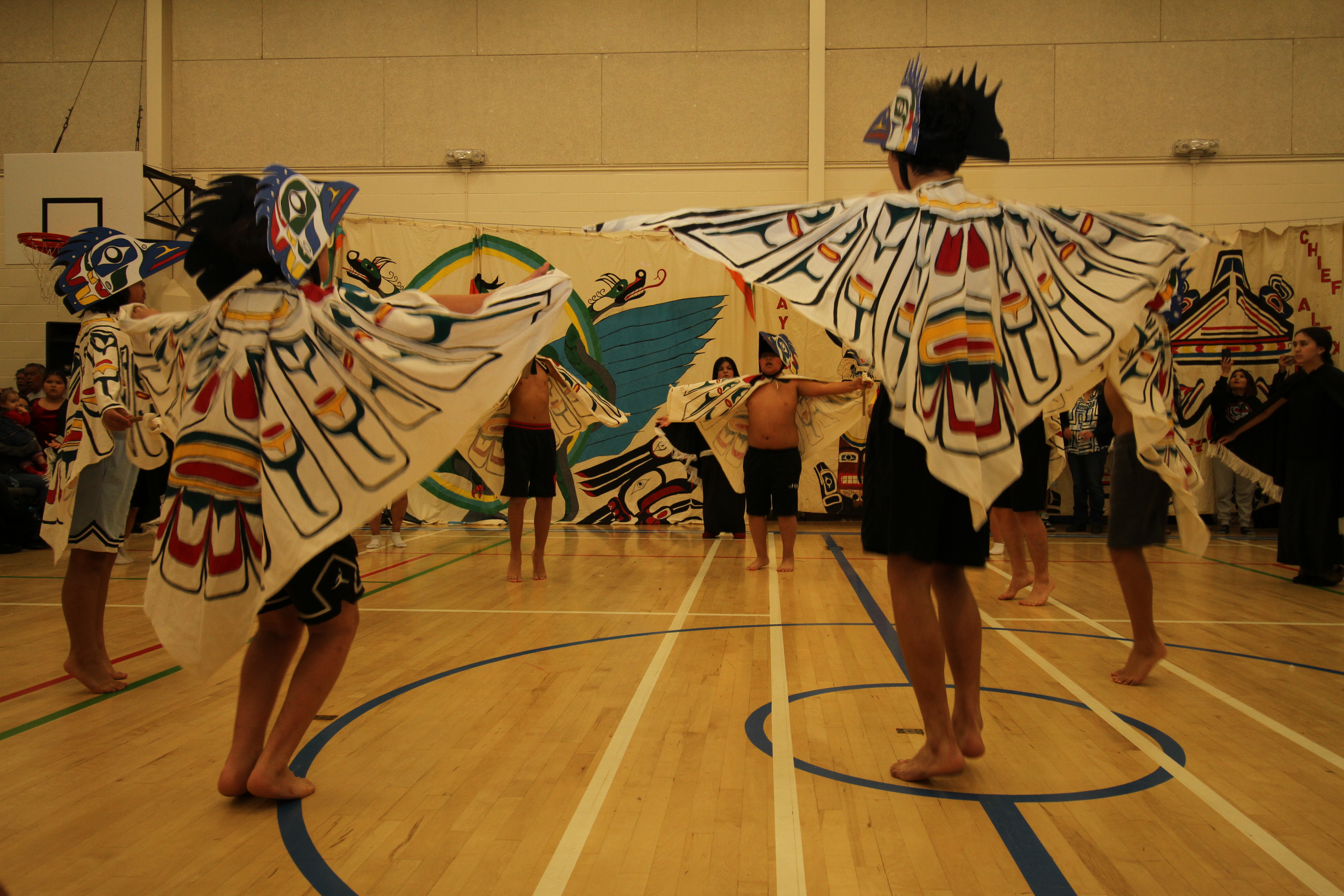
From April 17 to 19 hišumyił ƛaʔuukʷiʔatḥ - meaning ‘To Gather Tla-o-qui-aht’ – was held in Tofino, culminating in the convergence of hundreds of Nuu-chah-nulth-aht packing the Wickaninnish Community School gymnasium for a full day of cultural performances on Saturday, April 18. On the previous day canoes paddled across the bay from Opitsaht to land at Tin Wis, where the groups received a traditional welcome with song and the sharing of history. From 1971 to 1983 Tin Wis served as the final site of the Christie Indian Residential School, but now the Best Western Tin Wis Resort stands at the location, a Tofino hotel wholly owned by Tla-o-qui-aht.
Baby names were also given, followed by an evening of lahal, a traditional First Nations guessing game involving bones. On the Sunday Tla-o-qui-aht members were treated to a brunch, before those who live away from their home territory said farewell.
In recent years the appetite among Tla-o-qui-aht members to gather for cultural celebration has become increasingly evident from their growing participation in Hoobiyee. Each year, usually around the end of February, the Nisga’a Ts’amiks Vancouver Society hosted a large-scale event at the PNE Forum in celebration of the Nisga’a new year – a time when oolichan fish normally return to the Nass River Valley in northwestern British Columbia.
In 2025 about 200 Tla-qui-aht members came to Hoobiyee to perform, but this led the First Nation to wonder why they weren’t having such a gathering at home.
“The community members said, ‘It’s quite often that we get together for more sad occasions. It’s not often that we celebrate as just Tla-o-qui-aht people’,” said Chief Councillor Elmer Frank. “And even when we do have potlatches, they’re held by families, and we’re not celebrating as who we are as just 100 per cent Tla-o-qui-aht members.”
“We said, we just want to come home, we want to cancel Hoobiyee,” Frank continued. “We want to use our resources to have our own potlatch as Tla-o-qui-aht and celebrate who we are, celebrate how we became what we are today, considering all the struggles that we faced, with the 60s scoop, residential schools, the government banning of the potlatches - all of those other components that tried to keep us down as First Nations people.”
To support hišumyił ƛaʔuukʷiʔatḥ the First Nation drew upon funding from the Four Pillars Society, which manages a $2.8-billion settlement with the federal government. Over 300 Indigenous communities that have been directly affected by residential schools are part of this class action settlement, which distributes funding to help revive Aboriginal languages, support heritage, improve community wellness and protect culture. The Four Pillars Society defines culture as “a complete whole that includes knowledge, practices, customs, art, norms, beliefs and any other capabilities and habits that offer a sense of meaning as peoples.”
This meaning was palpable among other Nuu-chah-nulth nations present at the event to perform. Approximately 80 Tseshaht members filled the gym with song, honed by their weekly practices each Thursday at the Somass Hall.
Opened last year, the Tseshaht’s new facility on their main reserve by Port Alberni enables large crowds to regularly perform, a practice that Martin Watts sees benefitting younger participants.
“It gives them an identity, who they are,” said the Tseshaht member. “For instance we had one young fellow, he’s supposed to be playing basketball today…he chose culture over sports, even though his team is winning at home, he chose culture. It gives him the strength of growing.”
At one point amid their series of songs Tseshaht gave a formal apology to Tla-o-qui-aht Ha’wiih for breaking traditional protocol during a performance. This was one of several such apologies from groups over the event, a sign of adherence to traditional practices that can too easily be forgotten by those caught up in modern life.
“It’s proper teachings, teachings that have been carried on for centuries,” explained Watts of what his fellow members follow. “They lead by example, to do things the right way.”
After Tseshaht 25 Ahousaht members took the floor. Unlike Tseshaht, this group came from across the coast, with members living in Ahousaht, Port Alberni and Victoria. But they performed as a whole, thanks to practicing to recordings.
“We send CDs out to people so they know our songs,” said Ahousaht member Marshall Thomas.
Their last song was particularly emotional, a piece that came to Marshall’s brother Wally after they lost a cousin years ago.
“It’s a blessing and healing song,” explained Marshall. “It was gifted to my brother from the Creator when he lost an older cousin of ours in the early 2000s due to a very bad car accident.”
At the time Wally was praying for his aunt, who had just lost her son.
“I said, ‘Ask for a song that will heal you’,” recalled Marshall. “That song came to him. He wanted to be strong, he wanted his spirit to be healed.”
In 2026 Hoobiyee ended up not happening after the Nisga’a Ts’amiks society failed to agree on plans for the event. Now Tla-o-qui-aht is looking ahead with hopes to hold their celebration each spring.
“hišumyił ƛaʔuukʷiʔatḥ is a celebration of a new season, where we started whaling in the spring, we started hunting otters and seals in the spring, we started fishing,” said Frank. “We’ll find funding for it.”