Today’s health care system is overburdened and struggling, as indicated by the temporary closure of the West Coast General Hospital’s ICU wing in late 2025.
Meanwhile an estimated 700,000 to one million British Columbians still lack a family doctor, according to provincial estimates.
But expectations on the provincial system remain high, leading to the issue of how much should fall on the individual to better manage their own health.
In the 2025 Population Health Status Report, Island Health reported that 12.5 per cent of residents in large urban areas, 13.5 per cent in small and medium-sized towns and 10 per cent in rural communities reported zero days of getting any physical activity in a typical week.
Meanwhile women are 45 per cent more likely to consume fruit and vegetables daily, a dietary component that reduces risk of heart disease and other ailments, as men remain at higher risk for many chronic conditions, including hypertension, diabetes and cardiovascular disease, according to the health report.
“We need to acknowledge all the disruptions to not only traditional food systems but access to healthy foods, especially for remote communities, the cost of food, all these types of things,” said registered dietician Rachel Greening. “The economic barriers impact people’s ability to be well and be healthy.”
Obesity is the leading cause of most of the diseases cited in the report, but can be easily managed, says the World Health Organization. A healthy diet including regular fruit and vegetable consumption and physical activity supports overall well-being while reducing the risks of being overweight to an unhealthy degree.
Is it a lack of resources, knowledge or drive that challenges people to improve their health? Food security has been recognized as an issue in many regions, with each First Nation working toward solutions for their people.
“If someone wanted to make one change that would impact their health specifically supporting diabetes, preventing diabetes, preventing obesity, it would be to stop consuming sugar-sweetened drinks,” said Greening, noting that this includes soda, juices, specialty coffees and energy drinks. “Essentially anything that’s sold in the gas station fridge section except water of bubbly water. Limiting those or finding alternation, going back to our traditional teas or water or infused waters, that would have the biggest impact on health.”
Greening recently worked with the Indigenous Food Wellness Advisory to create the website firstpeoplesfoodwellnesshub.ca. The site serves as a virtual knowledge basket, sharing resources about food wellness and holistic health to support the well-being of First Nations, Inuit, and Métis people in B.C.
Diabetes Canada states that eight in 10 Indigenous people are projected to develop the condition over their lifetime. But the good news is that the national organization also reports that regular exercise - 30 minutes five times a week - can help delay or even prevent diabetes from developing.
Many of the most common diseases like diabetes and hypertension are caused by a sedentary lifestyle and lack of proper nutrition. First Nations people in Canada have significantly higher rates of these chronic diseases, with about half of adults reporting at least one condition, reports Diabetes Canada.
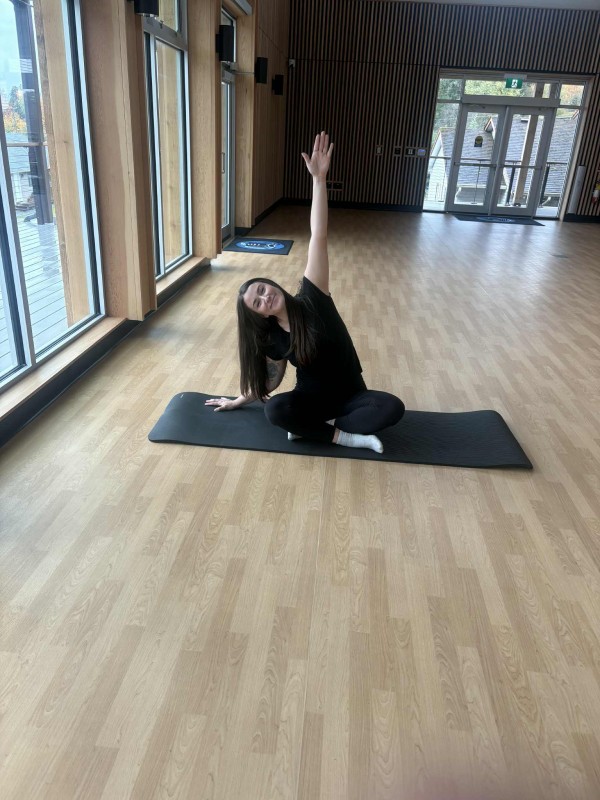
While it can be daunting to know where to start when trying to include movement into a regular lifestyle, Daly Forbes, a registered kinesiologist and athletic therapist, suggests walking.
“Start off with a ten-minute walk to the end of your block and back every day and build on that,” she said.
Walking offers significant benefits for physical and mental health, including reducing the risk of heart disease, stroke, diabetes, and some cancers, states the WHO. It also strengthens bones and muscles while improving mood and cognitive function, managing weight, boosting energy and enhancing sleep. These benefits increase with speed, distance, and frequency, even in short bursts. It's a low-impact, accessible exercise that strengthens the immune system, lubricates joints, and improves overall longevity.
“Chair squats, single leg balance and a wall push up, or plank are also excellent beginner exercises with high benefits,” said Forbes.
The Canadian Cancer Society’s 2016 meta-analysis shows regular physical activity significantly lowers the risk of many cancers by helping maintain a healthy weight, regulating hormones, reducing inflammation, and boosting the immune system.
Colorectal cancer and lung cancer are among the most common to be diagnosed, but can be prevented. The Cancer Society reports that just those two alone account for 25 per cent of all cancers diagnosed.
A focus on lifestyle changes like eating a diet rich in fruits, vegetables and whole grains, getting regular exercise, maintaining a healthy weight, limiting alcohol, and quitting smoking can prevent colorectal cancer.
The Cancer Council reports that more males (10.4%) than females (5.8%) report smoking tobacco, despite all the knowledge available in how this increases their risk of lung, mouth, throat and pancreas cancers as well as cardiovascular disease. The Cancer Council reports that 90 per cent of people who smoke will contract some form of cancer.
QuitNowBC is BC’s free smoking cessation program and offers smokers a variety of services to help residents to reduce or quit.
Island Health’s Population Health Status Report all shows that 64.6 per cent of island residents reported regular daily alcohol consumption in the past 12 months, above the provincial average of 60.7 per cent. More males reported regular drinking (71.1 per cent vs. 60 per cent), while more females reported occasional drinking (21.7 per cent vs. 11.7 per cent). Modern health guidelines advise limiting intake to two or fewer standard drinks per week to minimize health risks.
Alcohol also accounts for the highest rate of substance-related hospital admissions on Vancouver Island. Alcohol increases the risk of high blood pressure, heart and liver disease, stroke and extreme mental health issues.
Helpstartshere offers free and low-cost options to B.C. residents, with information, mental health supports and wellness tools.
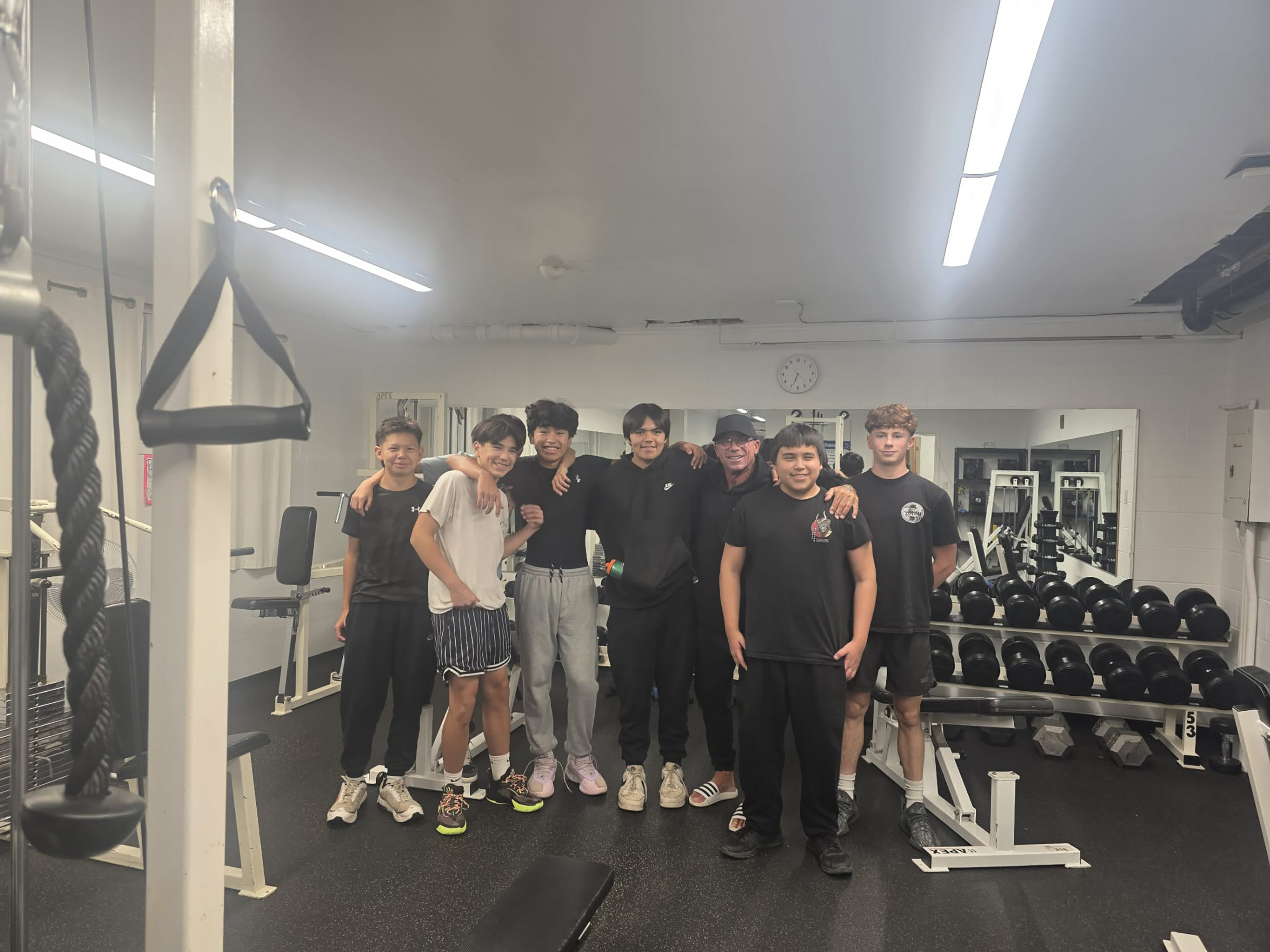
Many First Nations are working towards improving the wellness of their members by offering access to exercise equipment. Maht Maht gym is available for Tseshaht members, while Huu-ay-aht has their fitness centre at 90 Emchiss Way in Anacla and Mowachaht-Muchalaht First Nation operates a well-equipped gym facility in Tsaxana.