More overdose response services are coming to Campbell River and the surrounding area.
For 2026–27, Health Canada approved roughly $1.14 million in funding for a new Mobile Outreach Program, which partners the City of Campbell River (the City) and Lookout Housing and Health Society.
“The City remains deeply concerned about the tragic loss of life due to toxic drugs. These losses profoundly affect families, friends and colleagues across the community. This is why, when we noted the call for proposals for the Emergency Treatment Fund from Health Canada in the fall of 2025, we decided to submit an application under very tight timelines,” said Jeff Ford, the City’s director of community safety.
The opioid crisis continues to have a significant impact on Campbell River. In 2025, Greater Campbell River lost 43 souls to overdose and had the third highest unregulated drug death rate in the province, behind Vancouver – Centre North and Lillooet, according to the B.C. Coroners Service.
Located on the east coast of Vancouver Island, Campbell River is a growing port city of roughly 38,000 residents with a notably larger Indigenous population than neighbouring communities. A 2019 report published by the Campbell River Community Action Team showed that 12.2 per cent of Campbell River’s population is Indigenous, as compared to 5.9 per cent in the Comox Valley or 8.1 per cent in Nanaimo.
Many respondents involved with the Community Action Team report mentioned trauma as a reason they began using substances.
Laichwiltach Family Life Society (LFLS) is a multi-service organization for Indigenous people living in the Mid-Island region. They used to operate Kwesa Place and Hem'?aelas Community Kitchen, two vital drop-in centres for Campbell River’s most vulnerable, but were forced to close after the City purchased their downtown building for redevelopment.
Ford said the City has connected with LFLS on a number of occasions over the past year.
“Although community health services is a provincial role, we remain open to working with the Society and other community partners on emergency supports in the community,” said Ford.
He said the new mobile outreach program will be “grounded in trauma-informed and culturally safe practices”.
“We will continue exploring opportunities to incorporate Indigenous perspectives and supports as the program evolves,” he said.
The funding from Health Canada will support an outreach team run by Lookout Housing and Health Society, including a program coordinator, two outreach workers, a mental health support worker/recreation therapist, and trained peer workers with lived experience.
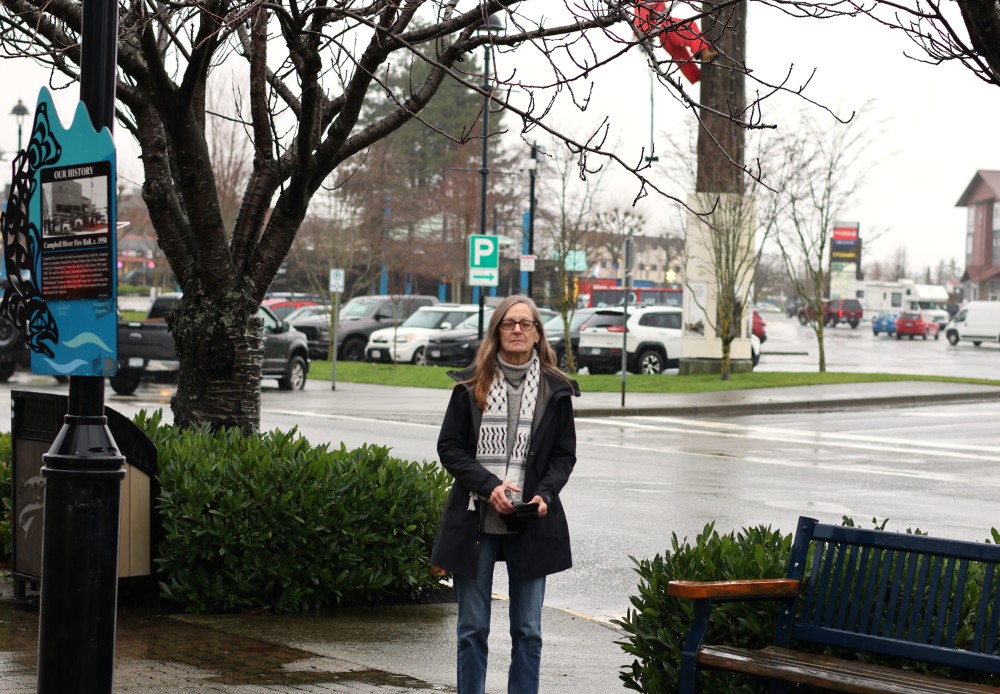
Campbell River resident Sue Moen has been coordinating the Community Action Team for the past four years. She says she can’t wait for the Mobile Outreach Program to begin.
“I am thrilled Campbell River was awarded this grant. The partner, Lookout Housing and Health Society has decades of providing quality services to strategically disadvantaged folks. I sat at tables with them on the DTES in the 90’s and respect their work and expertise as well as their openness to employing people with lived and living expertise in homelessness, mental health and substance use,” said Moen.
The funding will also support three new positions including two community support officers and a community safety coordinator, which the City will hire for.
“We will give strong consideration to local applicants, including those from Campbell River and nearby First Nations, while ensuring the hiring process remains consistent with City policies,” said Ford.
“These roles are not enforcement or policing positions. They will focus on community outreach, public education, and crisis response, working closely with Lookout Housing and Health Society and other service providers to support individuals and connect them to appropriate services,” he continued.
The new Mobile Outreach Program is intended to supplement, not duplicate, existing taxpayer-funded services, such as Island Health’s Substance Use Integrated Team and Mental Health & Substance Use program, by reaching people who struggle to access traditional health and social supports, Ford shared.
“The Mobile Outreach Program’s team will focus on mobile overdose response, outreach, transportation, and system navigation—not clinical treatment or other specialized supports. The program leads will connect with existing supports in the community and work to complement those initiatives and fill gaps in coverage as much as possible,” he said.
Need for after hours service
The City says the program will operate five days per week with weekend, evening and after-hours coverage as available. They plan on launching as soon as possible, pending the hiring process.
Moen hopes the City will “strongly consider prioritizing evening and very early morning outreach.” She says the Community Action Team and volunteers with CRASH Harm Reduction have consistently identified a need for after hours service.
“As people are more and more dispersed and isolated by bylaw enforcement and increasing community hostility, reaching them when no other agency is open is more critical than ever,” she said.
In a media release, Campbell River Mayor Kermit Dahl said the investment from Health Canada will “help connect people to care, reduce pressure on emergency services, and create more opportunities for individuals to stabilize and move forward in our community.”
“We will continue working with partners across all levels of government to advocate for expanded access to recovery and supportive housing, building on important steps like this program and the Homewood Temporary Housing initiative,” said Dahl.
The Ha-Shilth-Sa reached out to the LFLS for comment and will update this story as more information become available.