The Tseshaht First Nation has acquired a large property on the edge of its reserve, with plans to attack its housing shortage through the building of dozens of homes.
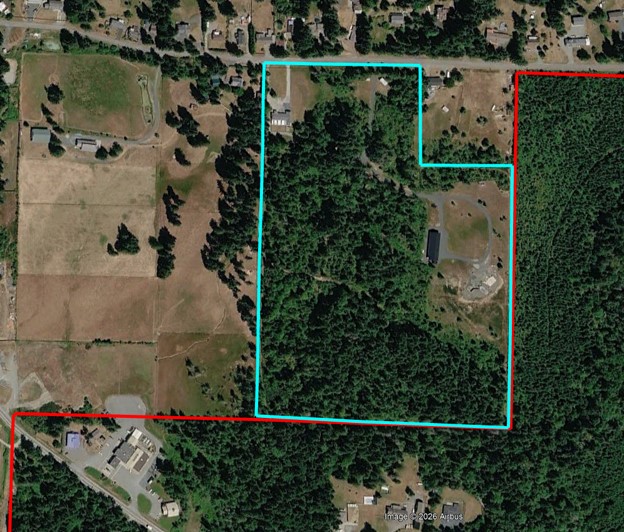
The purchase of 7444 Bell Road brings another 37 acres to the Tseshaht’s recent collection of land acquisitions. Located just on the other side of the First Nation’s reserve boundary north of the Tseshaht Market, the property used to be within the main reserve over 40 years ago, but was removed as the result of a land exchange.
Currently in the Agricultural Land Reserve, Tseshaht is submitting an Additions to Reserve application to the federal government to bring the land back under the First Nation’s control, said Chief Councillor Ken Watts. Then it’s a matter of establishing water, sewer lines and electrical connections to the land so that Tseshaht members can build their own homes. Watts hopes that in two years building can begin on the much-needed homes.
“We haven’t built a new home in our community in several years,” he said. “We have a list of over two dozen people, families that are waiting to build. Right now our problem on the reserve is we don’t have any developable lots. Once we open this up, we’ll have a ton of developable lots.”
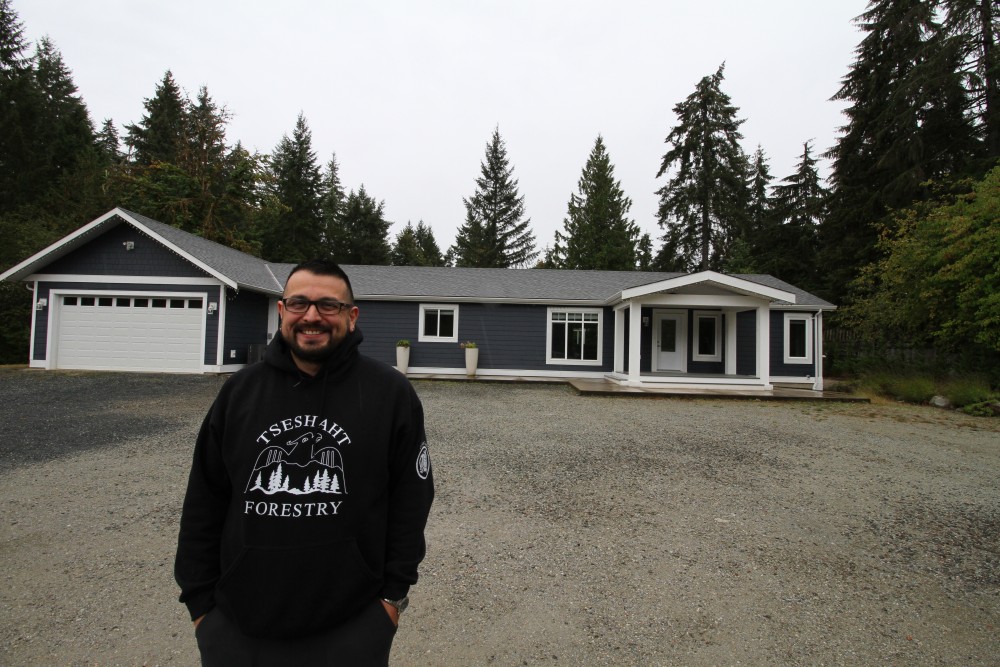
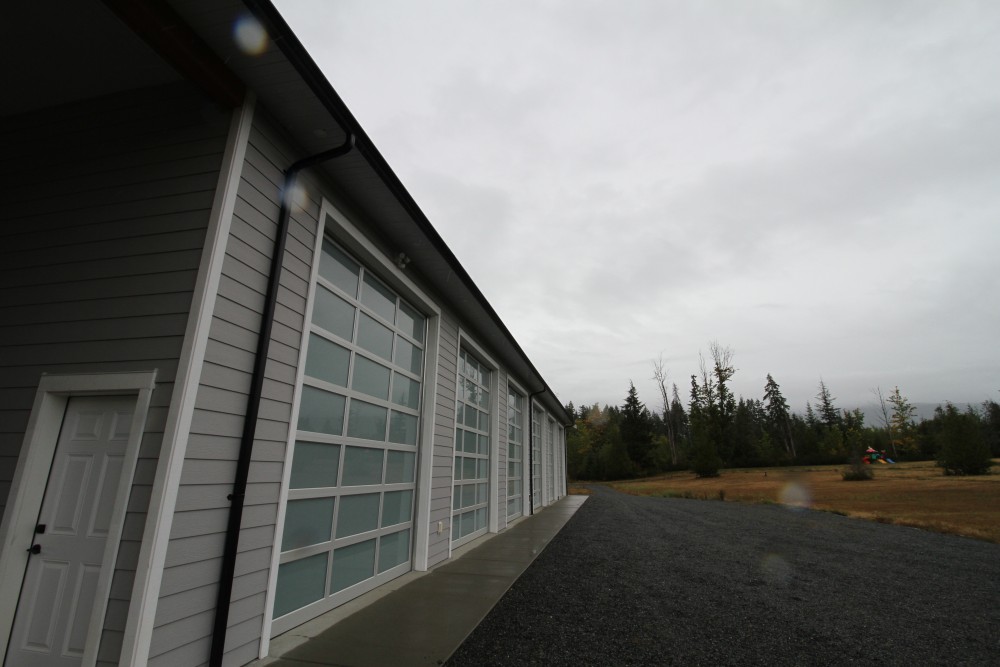
Currently the large Bell Road property has just one house, as this is a restriction for ALR land. There are also trails and a massive six-bay garage that the First Nation plans to use to house two departments, plus an empty foundation for a structure that was never built. Tseshaht plans to rent the 1,863-square-foot, three-bedroom, two-bathroom house to members as other lots on the property are being developed.
The end goal is to build 45-50 living units on the property, plus more homes on Tseshaht’s existing reserve using the utility connections that would be established on the Bell Road land.
“There’s three phases we’re planning on, each phase has at least 20 lots,” said Watts.
The property was recently listed for $1,999,000. The purchase was possible through a $5 million compensation agreement committed by the B.C. Ministry of Indigenous Relations and Reconciliation in July 2023 for Tseshaht to buy property in Port Alberni for housing. This $5 million in provincial funds enabled the Bell Road purchase, plus two other acquisitions: a parking lot formerly used for the Alberni Pacific Division sawmill and a field behind the closed Mt. Klitsa Junior Secondary School. These three land purchases total approximately 45 acres.
Tseshaht has designed a 128-unit residential building for the APD parking lot, but so far progress on the development has hinged on support from BC Housing. The provincial agency declined to back the project this year, but Tseshaht hopes that support will come in 2027.
“We’ll reconvene with BC Housing, hopefully they’ll fund it next fiscal year,” said Watts.
The First Nation is having discussions with Island Health to build homes for medical professionals on the Mt. Klitsa school field, attending to a local doctor and nurse shortage that caused the West Coast General’s ICU to be closed last November for several months.
“Our goal is to help out with medical housing,” said Watts. “We’re hoping to do a four-plex, that’s our goal.”
A housing assessment conducted by the First Nation indicates that 200 units will be needed in the next decade. Besides those who want to build their own homes on the reserve, another waiting list of “several dozen” await any First Nation-owned units to become available, explained Watts. Tseshaht hopes to take a chunk out of this need through a combination of privately built and First Nation-owned homes.
But expanded housing will clearly need upgrades to the sewer line that currently crosses the Somass River bridge en route to Port Alberni’s sewage lagoon, which is located down the river across from the sprawling Paper Excellence mill complex.
“Now we’re meeting with Canada on simply having it not go across the bridge and just have it go through our reserve,” said Watts. “We own the property below that where the water and the sewer meets.”