After years of lobbying, recovery support for those struggling with drug addiction is coming to Port Alberni.
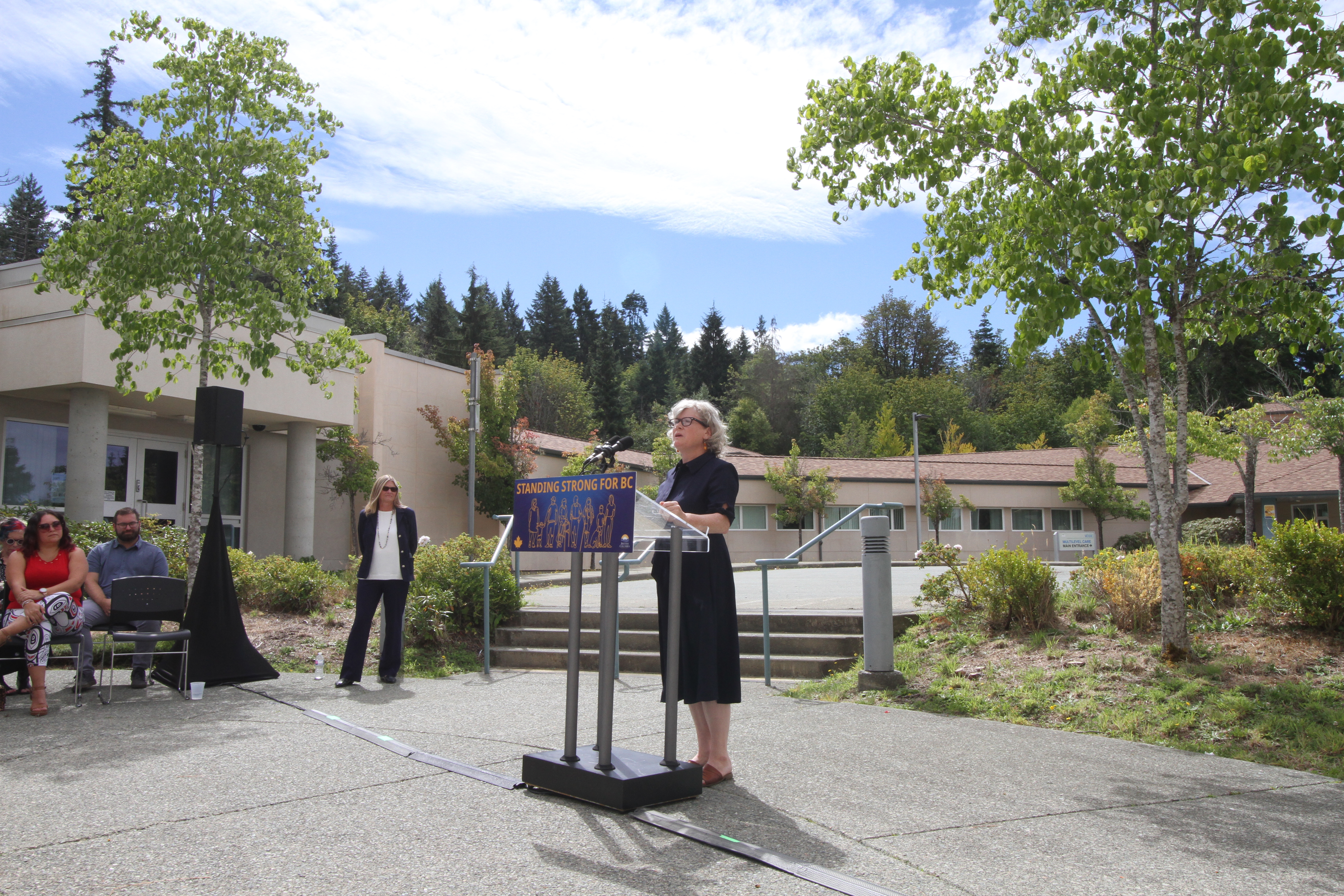
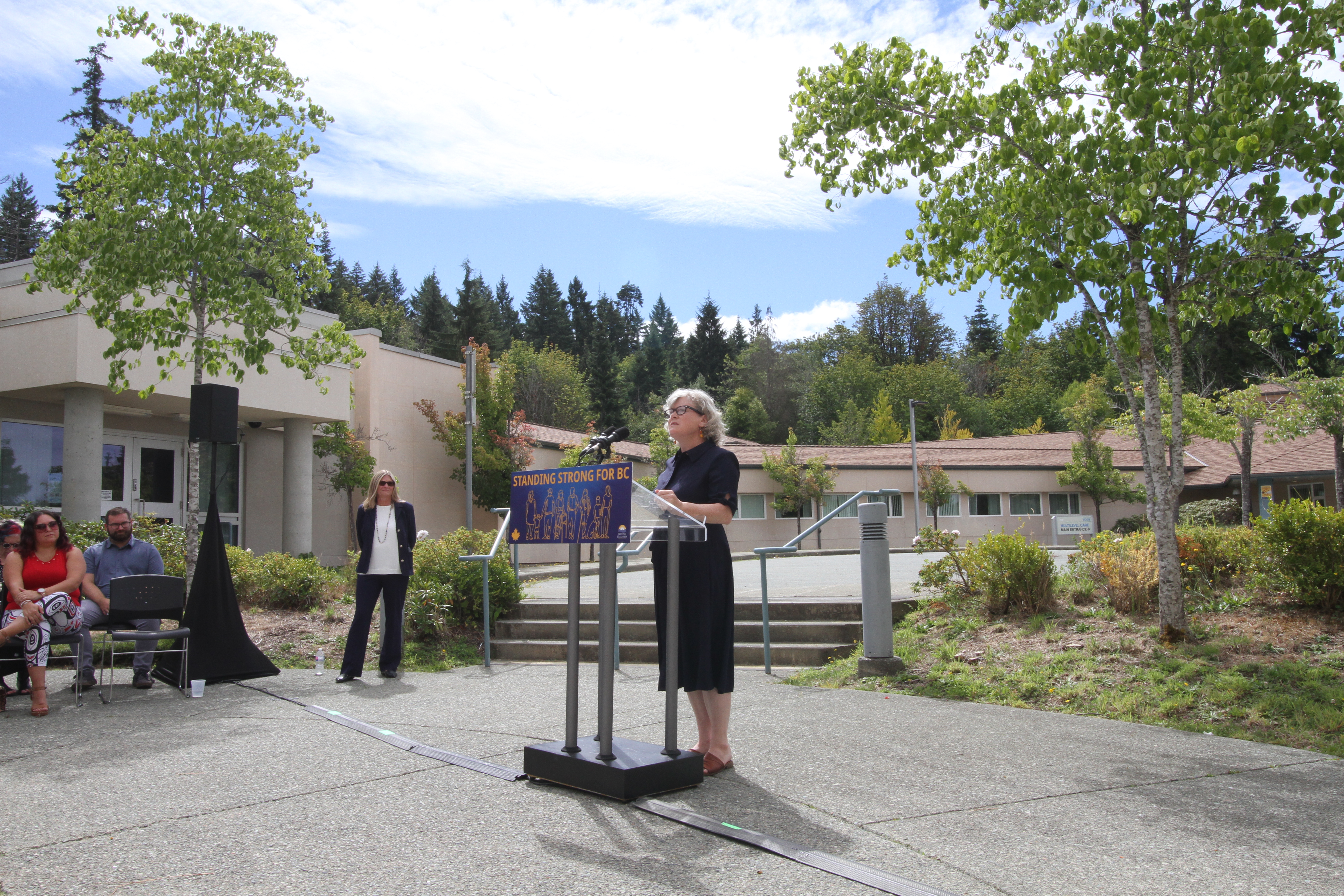
Standing in a courtyard at the back of the West Coast General Hospital, on July 31 Health Minister Josie Osborne announced that an eight-bed recovery and stabilization facility will be opening in the Alberni Valley later this summer.
“Clients will typically stay between 30 and 90 days, receiving recovery-oriented care,” stated the B.C. Ministry of Health in a press release. “Activities focus on goal setting, recovery and wellness programming and coaching for daily living in preparation for transition back to community living.”
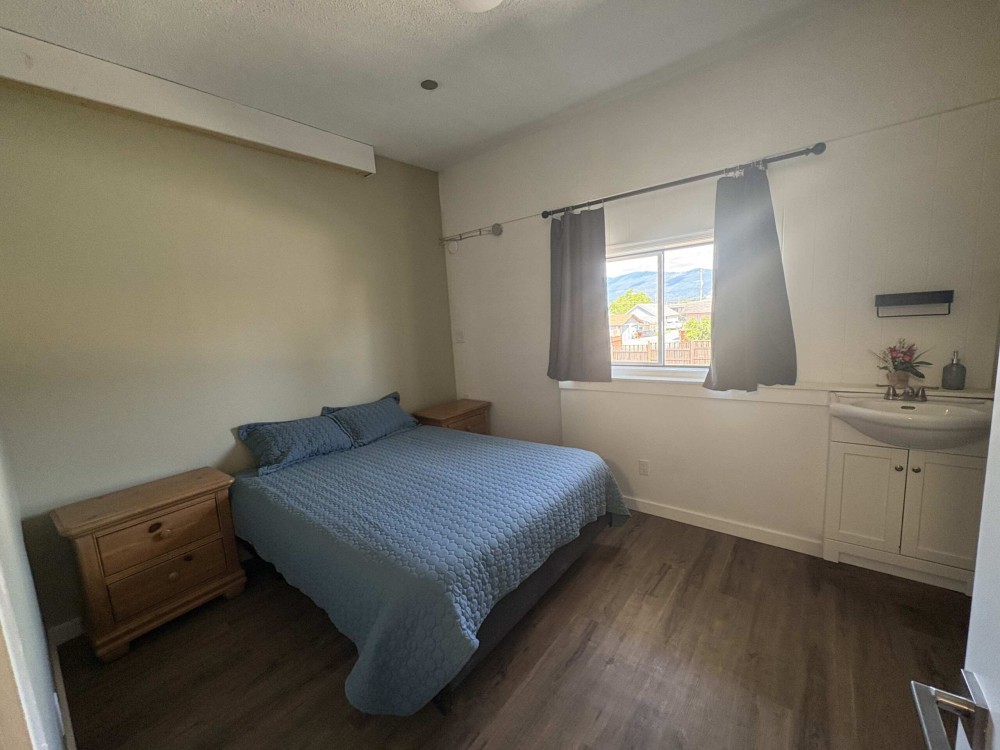
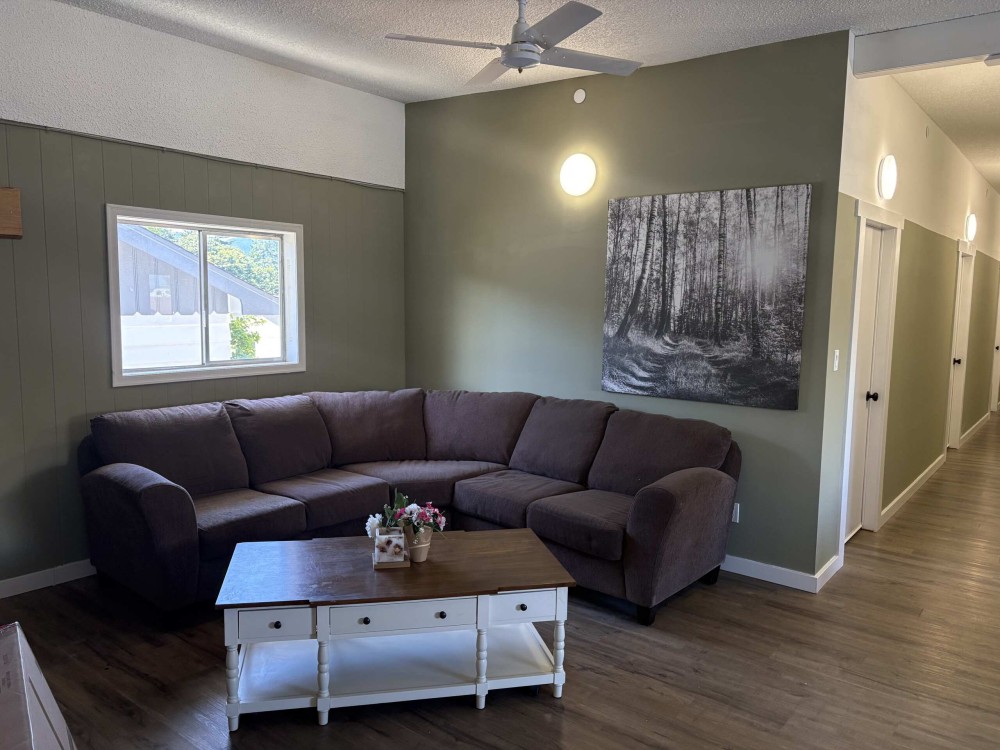
Renovations on the Inlet Recovery Home are complete, and referrals are underway for its first clients, which Osborne expects can move to the facility in about a month.
“These are beds that will offer a safe and supportive environment for people, where they can focus on recovery, they can build stability, and they can prepare for the next step of their healing journey,” said Osborne, who is also the local MLA for Mid Island-Pacific Rim. “This is about really creating new opportunities for healing, recovery and hope.”
Through $1 million in annual operational funding from the province the facility will be staffed around the clock, run by Connective Vancouver Island, a non-profit with over 35 years of experience. But the recovery facility is not for those who need medical detox, a stage that typically lasts a week to manage the acute withdrawals that come from substance addiction, says Amanda Lemon, Island Health’s clinical service delivery director for Addiction Medicine and Substance Use for Central and North Vancouver Island. The closest facility for this stage is the 12-bed Clearview Detox Centre in Nanaimo, but withdrawal management can also be possible in a hospital or through a physician prescribing opioid agonist therapy in the community.
“Detox is more centralized, but regionally accessible,” said Lemon, noting that clients can be supported with transportation if needed. “We probably would move them to Clearview in Nanaimo as the place of choice.”
The method of detox depends on the patient’s needs, she noted.
“We have a virtual substance use prescribing team as well,” said Lemon. “The hospital is not the place to go for detox, but some people end up in the hospital because of their acute withdrawal - because of other medical co-morbidities they may actually go through a detox process in the hospital.”
The recovery facility announcement comes after years of calls for more support for substance users in the Alberni Valley. After countless overdose deaths affecting the region’s First Nation families, in April 2022 the Nuu-chah-nulth Tribal Council called for the government to support an around-the-clock “rapid access addiction clinic” and certified detox centre in Nuu-chah-nulth territory. In the following year the Alberni-Clayoquot health region had the third highest rate of fatal drug overdoses in British Columbia. Then in January 2024 the Tseshaht First Nation hosted days of meetings in Maht Mahs, resulting in a plan with the Alberni Valley Community Action Team and Kuu-us Crisis Line Society that stressed the critical need from a fully funded detox and recovery facility in the region. A state of emergency followed in September of that year from the Nuu-chah-nulth Tribal Council for the ongoing drug overdose crisis.
After years of pushing for more help, NTC President Judith Sayers says the eight recovery beds are welcome news.
“It is a start to meeting the healing needs of our people, but more is needed,” she said. “The Nuu-chah-nulth several years ago put in place a strategy to combat the toxic drug and mental health crisis, but was unable to get the fiscal resources needed to implement the strategy. We are still working on providing the kinds of culturally appropriate and trauma informed services that are needed within all our territories.”
Across B.C. First Nations people have been impacted by drug fatalities at a rate six times that of the rest of the population, according to the First Nations Health Authority. At the beginning of the July 31 recovery facility announcement Tseshaht Chief Councillor Ken Watts asked for a moment of silence to recognize those who have been lost.
“There’s a lot of people that never had a chance to lay in a recovery bed and get medical support,” he said.
The toxic drug crisis has been a provincial health emergency since April 2016, a period that has seen over 18,000 lives lost due to substance poisoning. Osborne admitted that it’s been a difficult problem for the health system to manage, as everyone’s addiction is unique.
“We know that everybody’s path to treatment and recovery is different. We also know that this is not a journey that is a straight line,” she said. “When people are ready, and they are ready to reach out for help, they need access to care that is timely, that is appropriate for their needs and that is as close to home as possible.”
“Port Alberni knows only too well the social and health effects of the unregulated toxic drug poisonings as well as other substances such as alcohol,” said Dr. Reka Gustafson, Island Health’s chief medical health officer. “We also know that substance use and addiction is more than a medical condition. It’s the result of a complex mix of trauma, social, economic, biological factors that people who are living with addiction didn’t choose.”
As someone who has experienced substance addiction, Nina Kossenko is intensely familiar with this reality. She currently works for Island Health in addictions support.
“I lived my life in this community, I also destroyed my life in this community,” said Kossenko, who is also co-chair of the Port Alberni Community Action Team.
“Everybody is different. That’s what makes addiction so challenging to overcome,” she added. “It rips families apart, it destroys people’s ability to feel safe in the community on the streets that they walk in, and it also affects the businesses that people want to work in.”
The beds at Inlet Recovery Home can be accessed by calling Westcoast Mental Health and Substance Use at 250-726-1282 or Port Alberni Mental Health and Substance Use at 250-731-1311.
For additional mental-health and substance-use supports, people in the Island Health region can call Access Central at 1-888-885-8824. An interdisciplinary care team is available seven days a week, including addiction medicine physicians who can provide assessment and care co-ordination to people with substance-use disorders.