Construction begins this month on a microgrid designed to bring energy self-sufficiency back to one of Canada’s oldest village sites.
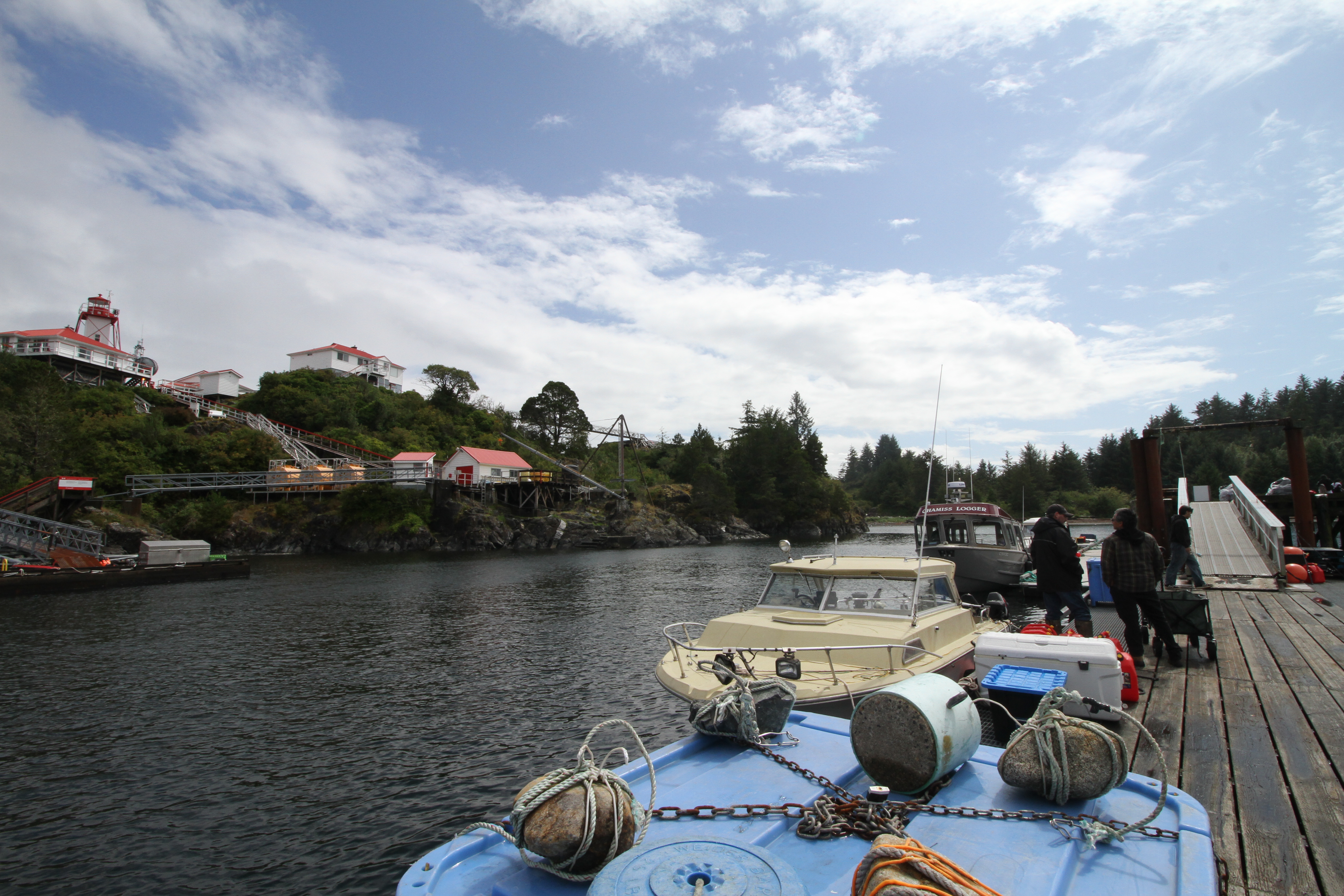
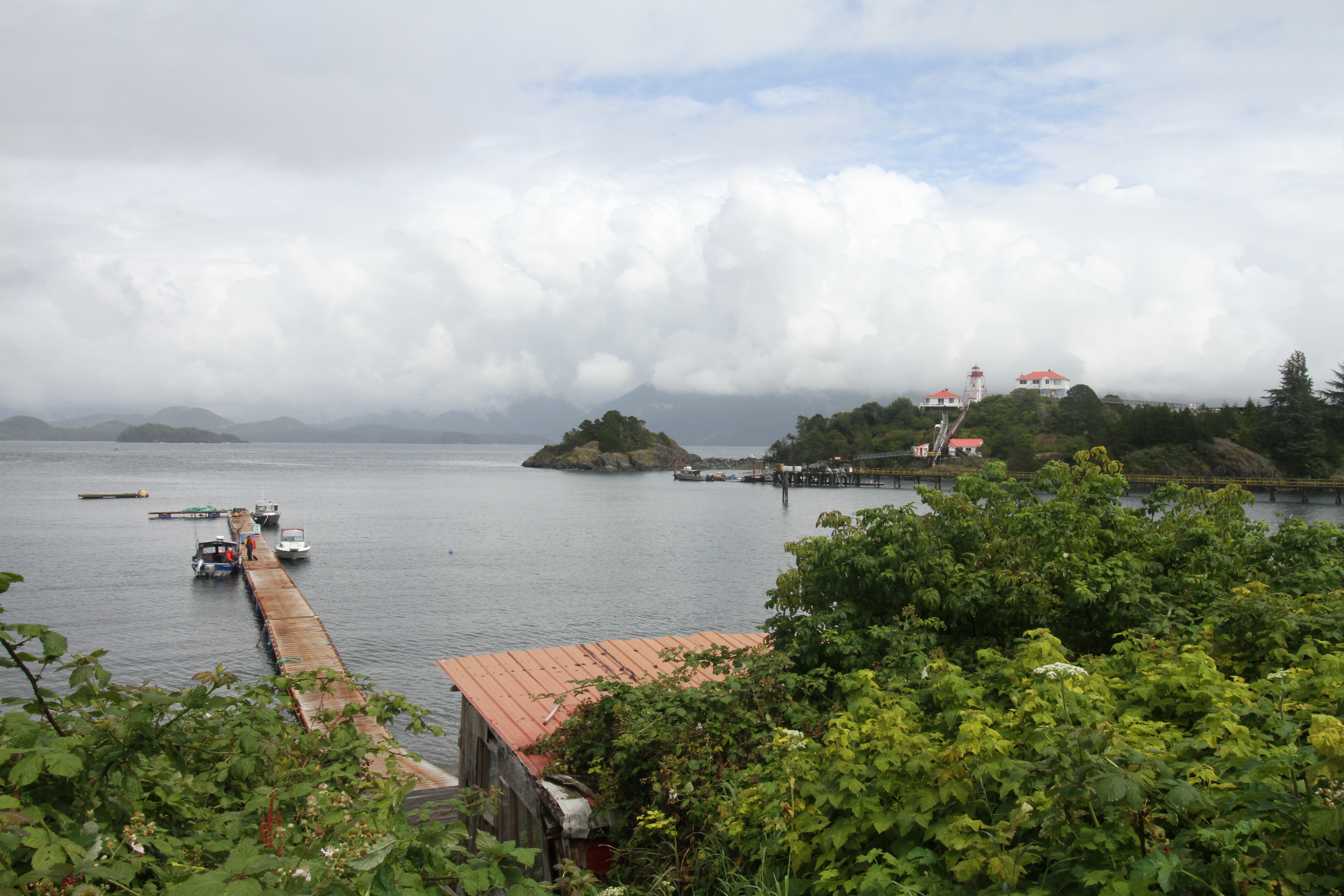
Located on the southern shore of Nootka Island, Yuquot is the ancestral home of the Mowachaht/Muchalaht First Nation, a historic place whose name carries the meaning “where the wind blows in many directions”.
The site’s exposure to the elements is a critical dynamic that is expected to drastically reduce Yuquot’s reliance on diesel for power – and fulfill the First Nation’s long held aspiration of having more members once again live year-round at the village.
Expected to cost a total of $12 million, the microgrid entails a floating turbine that will be set up one and a half kilometres from Yuquot’s shore, generating up to 200 kilowatts of power by harnessing wave energy. The project is being co-managed by the University of Victoria’s Pacific Regional Institute for Marine Energy Discovery, which in recent years has been studying the potential of wave power being harnessed at Yuquot, which sees more than its fair share of coastal storms.
The other major source of power for the microgrid are solar panels to be installed on the roof of a community gathering structure the First Nation plans to build on the land between Yuquot’s church and the welcome figure that overlooks the beach. This brings up to 50 kilowatts of power at a time.
This energy will be stored in 400 kilowatts worth of battery banks set up behind the church, where a protection and controls panel for the microgrid will also be housed. As a contingency, seven per cent of the microgrid’s power is expected to come from diesel gasoline.
Providing approximately 10 temporary jobs, construction of the microgrid is expected to last until the end of 2027, with plans for power to be generated in the following summer. After that, the project is expected to sustain two full-time jobs, plus two seasonal positions.
Since 1992 Mowachaht/Muchalaht members have returned to Yuquot each summer for camp gatherings, sometimes converging in the structure that once served as a Catholic church when the village was the First Nation’s main reserve settlement. In the late 1960s the Mowachaht/Muchahlaht were relocated to Ahaminaquus, a reserve south of Gold River where it was believed they would be less isolated. But a nearby pulp mill created health problems for the community, which was moved again in the early 1990s to the current reserve north of Gold River at Tsaxana.
The history of the First Nation’s ties to Yuquot go far deeper than these 20th century relocations. The Nootka Island village long served as a summer home for the Mowachaht people, who amalgamated with the Muchalaht in the 1950s. Yuquot was the site of the Nuu-chah-nulth people’s first contact with Europeans when British Capt. James Cook landed at the settlement in 1778, a relationship that led to the West Coast fur trade. Archaeological excavations have found evidence of over 4,300 years of continual habitation at the site – something that has long been affirmed by Mowachaht oral history.
“Yuquot is the heart of our nation and a place of deep cultural, historical and spiritual importance,” said Tyee Ha’wilth Yahtloah, Mike Maquinna. “This project is about creating the infrastructure needed to support our vision for Yuquot as a place where our citizens can gather, our culture can be shared, and visitors can experience the significance of this place in a way that is sustainable and grounded in our values.”
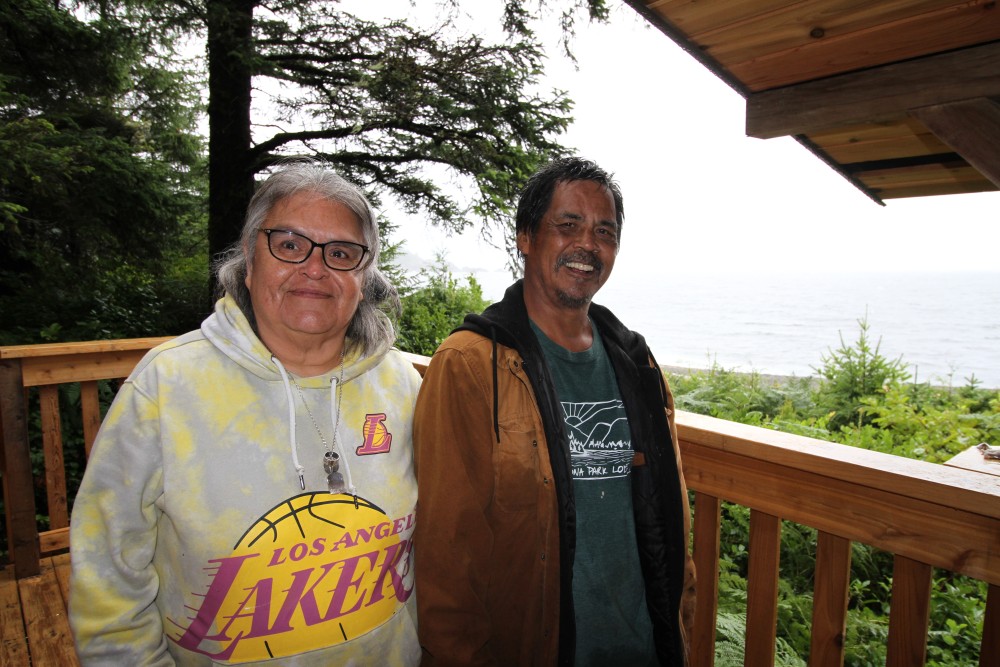
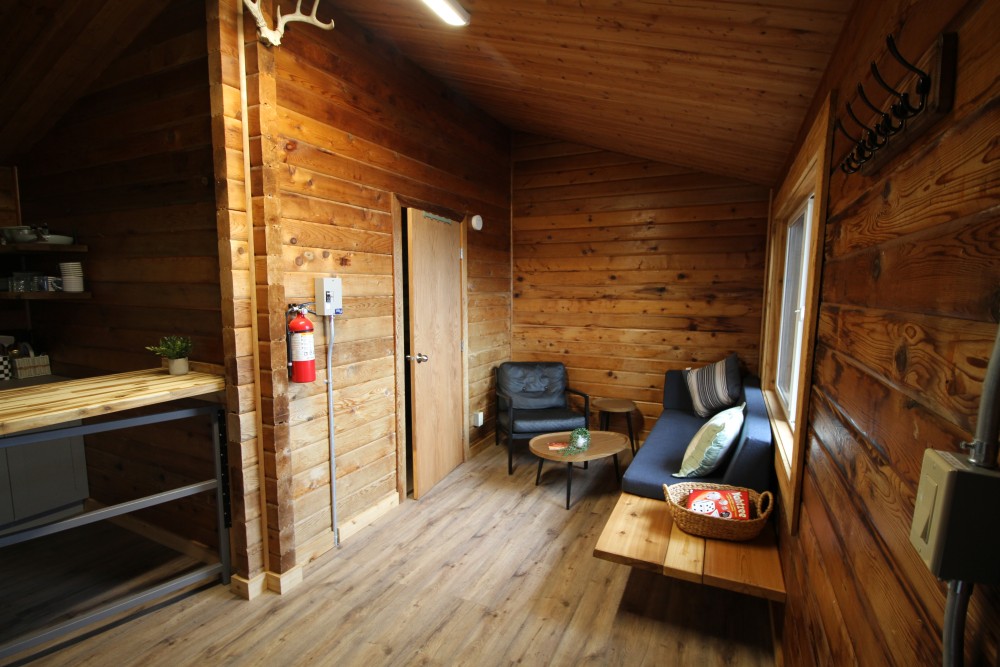
The project is part of a larger goal of gaining long-term sustainability at Yuquot. Since the First Nation’s relocation to the Gold River area more than 50 years ago the Williams family have been the only household to remain at the village site, but more will be settling there if Mowachaht/Muchalaht’s tourism aspirations proceed. Four of the six cabins at Yuquot have been fully renovated for visitors, and the First Nation is planning to build another nine cabins, plus employee housing and an interpretive centre.
Azar Kamran, Mowachaht/Muchalaht’s band administrator and CEO, foresees selling packages for overnight stays at Yuquot – part of a larger tourism strategy that builds on the First Nation’s purchase of a hotel in Gold River, converting it into a Baymont by Wyndham. This could lead to more homes at Yuquot.
“In order to do that, in our strategy we have to create an economy over there so that people can meaningfully engage in employment,” said Kamran.
Over 60 per cent of the project’s $12 million cost has been committed, with a list of provincial and federal government sources that includes the Island Coast Economic Trust and the University of Victoria.
“The funds are flowing as we do this project,” said Kamran. “As people see things getting accomplished more opportunities open, and that’s what has been going on.”